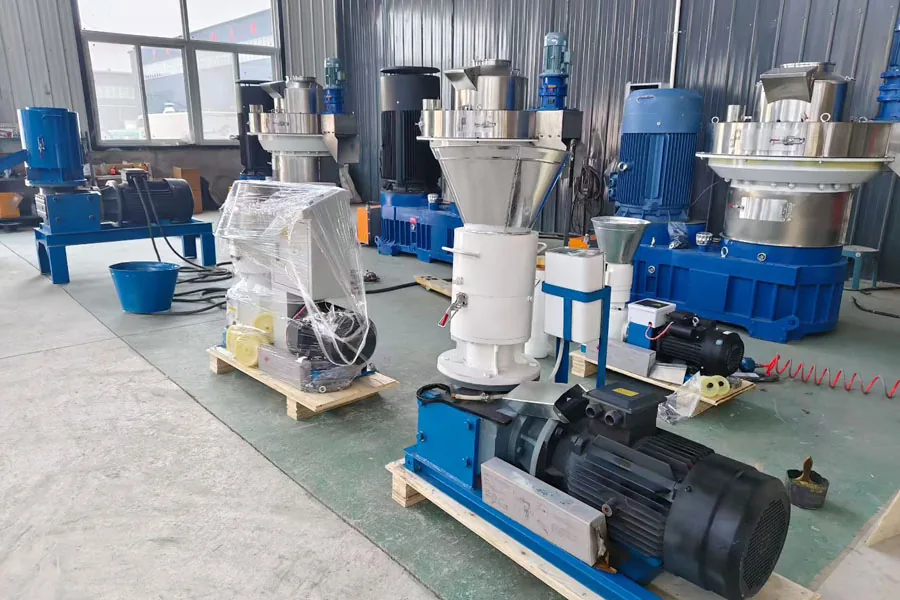
Can I Pellet It? 24 Biomass Feedstocks Checkedwhat each one needs before it will hold together
Twenty of these 24 materials pellet with no binder at all. What decides whether yours will is moisture, ash and lignin — not the model you buy. Dry sawdust at 1:5–1:7 needs nothing added. Rice husk at 15–20 % ash needs a die cut for it and often 2–3 % starch. Everything in between needs one of three things: drying, a coarser grind, or a different die.
- 24 feedstocks with the moisture, ash, die ratio and binder each one needs
- 20 of the 24 pellet with no binder — lignin does the work
- 8 need nothing but a die, 7 need a dryer, 9 need a die cut for the material
- Output on the same pellet mill, as a percentage of what it makes on sawdust
Test run in 2 working days · Die ratio, output and binder reported · No charge beyond the freight
The short answer
If you read nothing else on this page, read this.
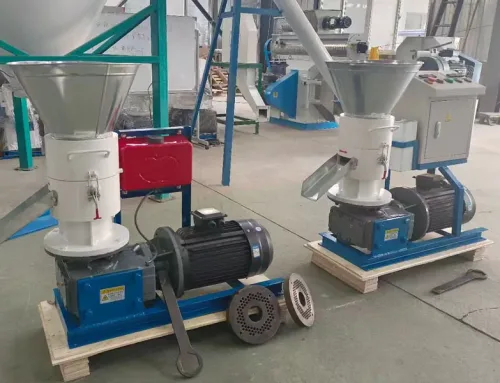
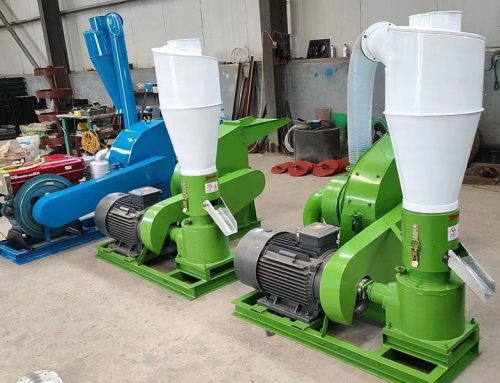
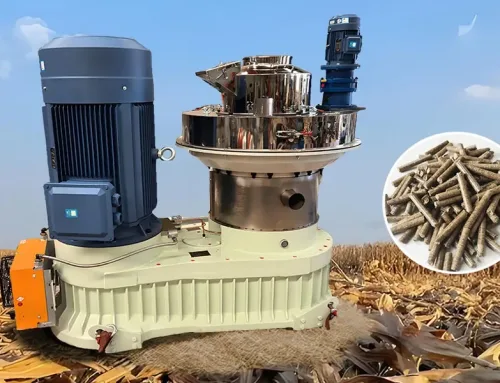
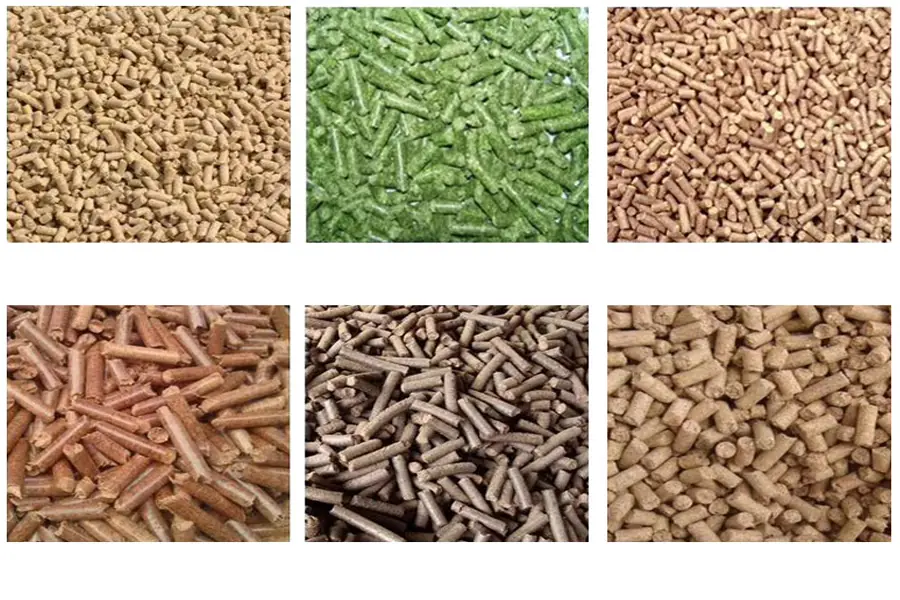
Yes, if it has enough lignin and the right moisture. Wood, straw, grass, husk and shell all pellet on the same flat die pellet mill or vertical ring die pellet mill — what changes is the die, the moisture and sometimes a binder. The 24 rows below are the materials we are asked about most. Each row is the answer we give on the phone: how wet it arrives, how much ash it carries, what die to cut, and what the pellet mill will make on it against sawdust.
These are the ranges we quote from, not a laboratory certificate — a 20 kg test on your own material settles the die and the ratio.
24 materials, and what each one needs
Read the last column first — that is what the same pellet mill will make on your material against sawdust. Then read the dryer and binder columns, because those two are what change the price of the production line rather than the price of the pellet mill.
| Material | Moisture as received | Ash | Die ratio | Dryer | Binder | Output vs sawdust |
|---|---|---|---|---|---|---|
| Pine sawdust | 10–15 % dry 50–60 % green |
0.5–1.5 % | 1:5–1:6 | Only if green | None | 100 % |
| Hardwood sawdust | 12–18 % dry 45–55 % green |
0.5–2 % | 1:5–1:7 | Only if green | None | 95 % |
| Wood shavings | 10–15 % | 0.5–1.5 % | 1:5–1:7 | Only if green | None | 90 % * |
| Wood chips | 35–50 % | 0.5–2 % | 1:5–1:7 | Yes | None | 85 % * |
| Bark | 40–60 % | 3–6 % | 1:6–1:8 | Yes | Optional | 70 % |
| Rice husk | 8–12 % | 15–20 % | 1:9–1:12 | No | Starch 2–3 % | 60 % |
| Rice straw | 12–18 % | 10–15 % | 1:8–1:10 | Usually no | Optional | 70 % |
| Wheat straw | 12–18 % | 6–10 % | 1:8–1:10 | No | Optional | 75 % |
| Corn stover | 15–25 % | 5–8 % | 1:8–1:10 | Often yes | Optional | 70 % |
| Corn cob | 15–20 % | 2–4 % | 1:6–1:8 | Yes | None | 85 % |
| Cotton stalk | 15–20 % | 4–7 % | 1:7–1:9 | Yes | Optional | 75 % |
| Bagasse | 45–55 % | 2–5 % | 1:6–1:8 | Yes | None | 85 % |
| Palm fibre (EFB) | 55–65 % | 3–6 % | 1:6–1:8 | Yes | None | 90 % |
| Palm kernel shell | 12–18 % | 2–4 % | 1:6–1:8 | No | None | 75 % |
| Coconut shell | 10–15 % | 1–3 % | 1:6–1:7 | No | None | 70 % |
| Bamboo | 20–40 % | 1–3 % | 1:5–1:7 | Yes | None | 85 % |
| Alfalfa | 12–18 % | 7–10 % | 1:6–1:8 | Yes, if fresh | Optional | 80 % |
| Napier grass | 60–70 % fresh | 6–10 % | 1:6–1:8 | Yes | Optional | 75 % |
| Peanut shell | 8–12 % | 3–6 % | 1:6–1:8 | No | None | 80 % |
| Sunflower husk | 8–12 % | 3–5 % | 1:6–1:8 | No | None | 80 % |
| Tea waste | 8–12 % | 4–6 % | 1:6–1:8 | No | Optional | 80 % |
| Poultry manure | 40–60 % | 20–30 % | 1:5–1:6 | Yes, after fermenting | 2–5 % | 60 % |
| Paper and card | 5–10 % | 5–10 % | 1:6–1:8 | No | Optional | 75 % |
| Spent coffee grounds | 55–65 % | 1–3 % | 1:5–1:7 | Yes | None | 85 % |
Output is what the same pellet mill makes on that material as a percentage of its sawdust rating — a PM-D580B flat die pellet mill rated at 600–800 kg/h on sawdust makes about 360–480 kg/h on rice husk. Moisture is as received at the factory gate. These are ranges, not single figures: two loads of the same material are rarely the same. A 20 kg test on your material settles the die and the ratio, and we run it before you order.
Seven columns do not fit a phone. Swipe the table sideways for the die ratio, dryer, binder and output.
Ash is the figure that decides die life. Wood carries 0.5–2 % and a ring die runs 500–800 hours on it. Rice husk carries 15–20 %, and the same die lasts a third as long because it is silica, not carbon, that polishes the holes out. That is the whole reason a husk line is quoted with a hardened die and a wood line is not.
Lignin is the figure that decides whether you need a binder. Above about 20 % the material binds itself under pressure and heat. Below 15 % — rice straw, corn stover, weathered grass — the pellet comes out of the die and falls apart in the cooler, and 2–3 % starch or 3–5 % molasses is cheaper than the extra pressure it would otherwise take.
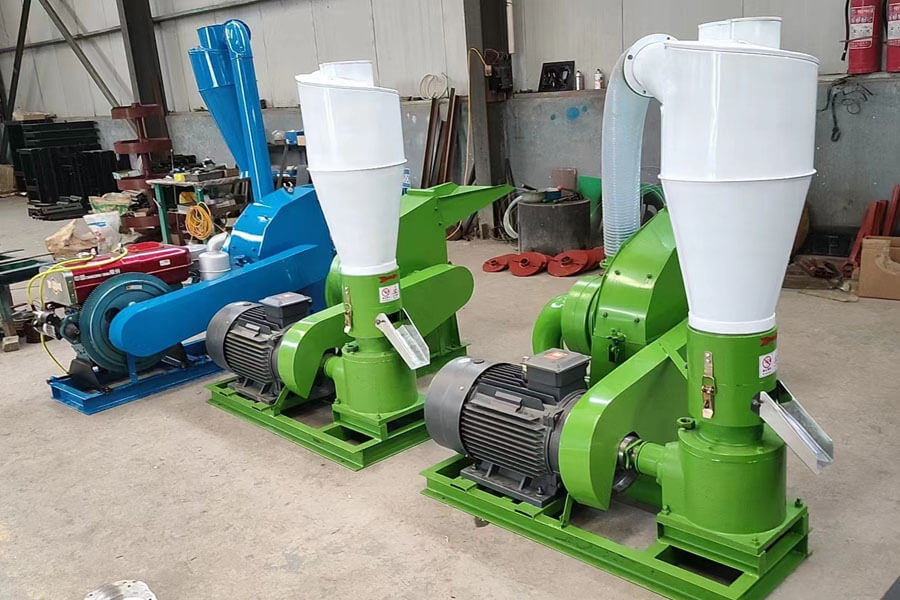
The two asterisks are a grinding note, not a pelleting one. Shavings and chips have the lignin and the ash of wood, but they are too long and too light to enter a die — they bridge across the chamber. Both have to go through a wood hammer mill first, and after that they pellet exactly like sawdust.

Four figures decide it, and only one of them is the pellet mill
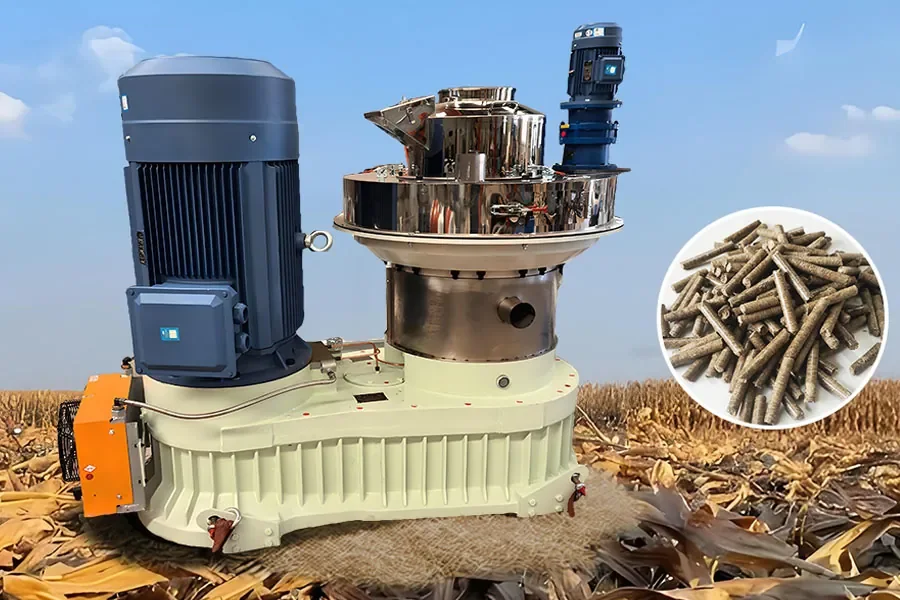
Every row in the table above is the same four numbers in a different order. Change any one of them and the output in the last column moves.
Moisture
12–15 % into the die. Below 12 % the pellet cracks as it cools; above 16 % it will not form, whatever pressure you apply.
Particle size
3–5 mm out of the hammer mill. A 4 mm screen gives a harder pellet and 5–8 % less output than a 6 mm screen on the same motor.
Lignin
25–30 % in wood, 14–18 % in straw. Lignin melts at 80–90 °C and glues the pellet; below about 15 % you have to add a binder or raise the die temperature.
Die ratio
1:5–1:7 for wood, 1:8–1:10 for straw, 1:9–1:12 for husk. The ratio is the hole length against its diameter, and it is cut for the material — the die compression ratio chart works every ratio out in millimetres.
The order matters. A material that is too wet cannot be fixed by a longer die, and a material that is too low in lignin cannot be fixed by drying it harder. Work down the four in the order above: dry first, grind second, then choose the die, then decide on a binder. Almost every disappointed trial we hear about started at step four.
Two of these four are in your control before the pellet mill arrives and two are not. Moisture you can measure with a 30-dollar meter and fix with a biomass sawdust dryer or a week under cover. Particle size you fix with a screen. Lignin and ash are in the material — you can blend to change them, and that is what the blending paragraph below is about.
Three groups: what you have to add
Sort your material into one of these three before you ask for a price. It decides whether you are buying a pellet mill, or a pellet mill plus a dryer plus a hardened die.
-
Nothing but a die — 8 materials
Dry pine or hardwood sawdust, dry shavings, corn cob, peanut shell, sunflower husk, tea waste, paper and card, palm kernel shell. These arrive at or near 12–15 % and carry enough lignin to bind themselves. A flat die pellet mill and a hammer mill is the whole plant. This is the cheapest group per tonne and the one most first-time buyers are in without knowing it.
-
A dryer, and nothing else — 7 materials
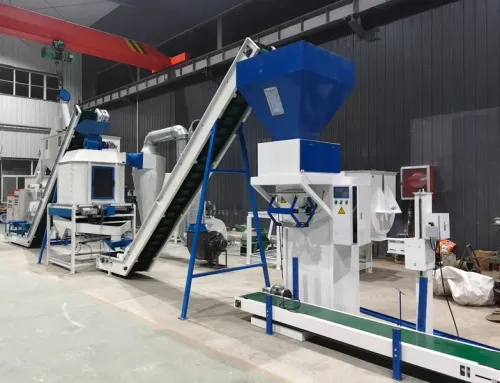
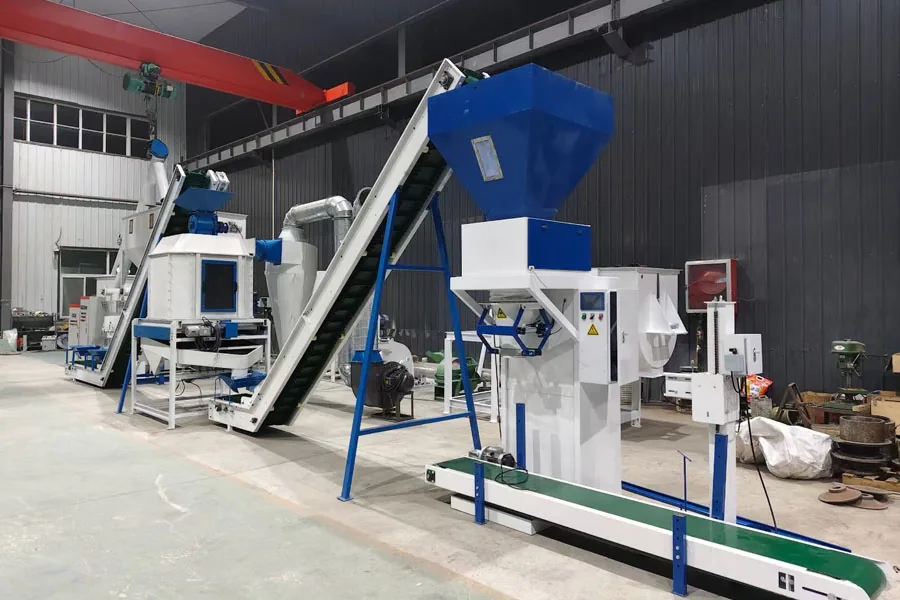
Green sawdust, wood chips, bark, bagasse, palm fibre, bamboo, spent coffee grounds. The lignin is there; the water is the problem. A rotary drum or a flash pipe dryer takes them from 40–65 % down to 12–15 %, and after that they run like sawdust with the output figure in the table. Budget 25–35 % of the production line price for this stage and 8 m of extra shed.
-
A die cut for the material — 9 materials
Rice husk, rice straw, wheat straw, corn stover, cotton stalk, alfalfa, napier grass, coconut shell, poultry manure. These are the four rows where the die, not the pellet mill, is the decision. Husk and shell need a hardened die at 1:9–1:12; straw needs 1:8–1:10 and often a binder; manure needs fermenting and drying before it goes near a die at all.
A word on blending, because it comes up every week. Mixing 20 % rice husk into a sawdust pellet triples the ash and halves the die life, and it is the fastest way to lose an ENplus certificate. Mixing 10–15 % into a boiler-grade pellet for a local customer is a different calculation and often a good one. Tell us which market the pellet is for and we will tell you which side of that line you are on.
What buyers ask about pelleting a new material
8 questions, answered the way we answer them on the phone.
Can I pellet rice husk on its own?
Yes, but not on a wood die. Rice husk carries 15–20 % ash and almost no spring, so it needs a hardened die at 1:9–1:12 and often 2–3 % starch to hold the pellet together. Expect about 60 % of the output the same pellet mill makes on sawdust, and a die life of 200–300 hours rather than 500–800. The rice husk pellet production line is built around those three figures.
Do I need a binder for straw?
Usually not for wheat straw at 16–20 % lignin, and usually yes for rice straw at 14–18 % that has been in the field through a rain. The test is simple: press a handful and see whether it holds. If the pellet crumbles in the cooler, 2–3 % cassava starch or 3–5 % molasses is cheaper than the extra die pressure it would take to force it.
What moisture content do I need before the die?
12–15 %. Below 12 % the pellet cracks as it leaves the die and you get fines in the cooler; above 16 % the material slips through the holes instead of compacting. Measure it as received, not after a day in the yard — a load of sawdust can gain five points overnight under a tarpaulin.
Why do my pellets crumble after cooling?
Four causes, in the order we check them: moisture above 16 %, a die ratio too short for the material, a grind too coarse (above 6 mm), or a material under 15 % lignin with no binder. The first two account for most of the cases we are called about. The full list is in the pellet quality troubleshooting guide.
Can one pellet mill run several materials?
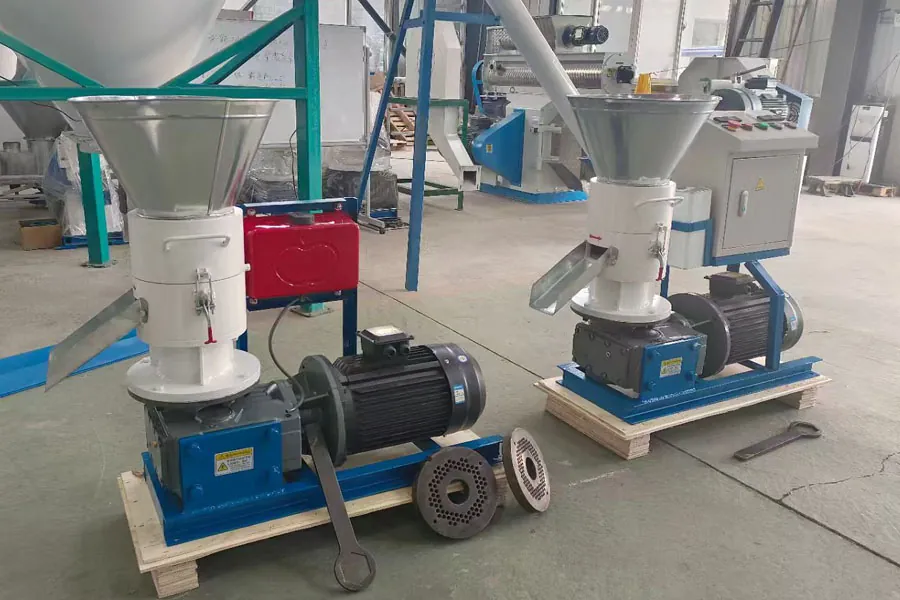
Yes, with a die change. A flat die plate is swapped in about twenty minutes with one man and a spanner; a vertical ring die is re-cut rather than swapped, so it is a decision you make once per material. If you will run two materials week about, two flat die pellet mills with a die each is usually cheaper than one ring die and a second ring.
How much output do I lose on a difficult material?
Read the last column. Rice husk runs at about 60 % of the sawdust figure, poultry manure at 60 %, bark and coconut shell at 70 %. Palm fibre and bagasse lose almost nothing once they are dry — the loss there is in the dryer, not the die.
Is poultry manure different from the others?
Yes, and it is the only row here that is a process rather than a material. Manure at 40–60 % moisture has to be fermented to kill the pathogens, dried, then crushed before it will pellet, and it needs 2–5 % binder because the fibre has already broken down. The poultry manure pellet production line is six stages before the die.
How do I test whether my material will pellet?
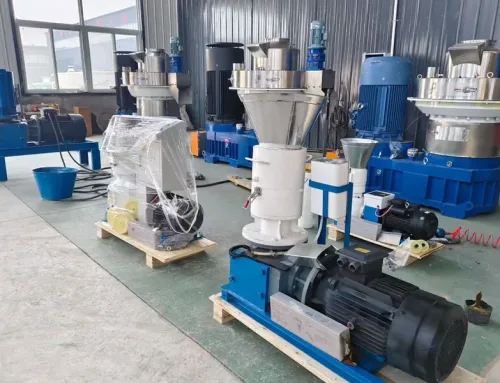
Send 20 kg. We run it on a 7.5 kW flat die pellet mill with three die ratios and report the one that holds, the output capacity, the moisture we had to dry it to, and whether it needs a binder. It takes two days and it costs you the freight. Every quotation we write for an unusual material is based on that test rather than on the table above.
Send 20 kg and we will tell you which die it wants
We run it on a 7.5 kW flat die pellet mill with three die ratios and report the one that holds, the output capacity, the moisture we had to dry it to, and whether it needs a binder.
What happens after you send it
We reply with the die ratio, the expected output and the model that makes it, then run the test and send you the video before you pay anything.
Your details are not shared. One follow-up, no mailing list.