Animal Bedding Pellets: Wood, Straw or Papera pellet built to fall apart, not to survive a tumbler
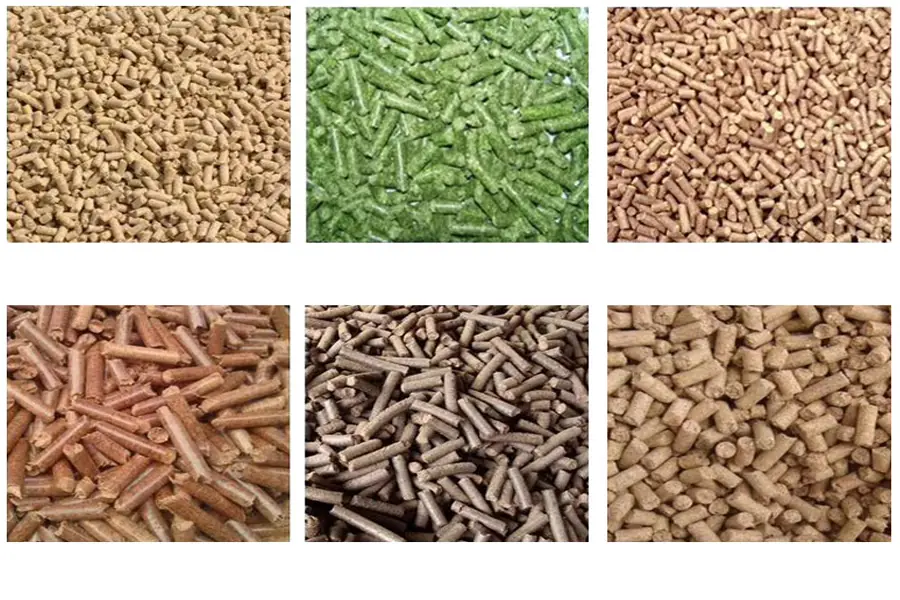
A bedding pellet is a wood pellet with the specification turned upside down: a shorter die, a lower density and a durability figure that would fail a stove test on purpose. Softwood sawdust is the material, 6 to 8 mm is the size, and the number that decides whether the bag sells is the fines under 2 mm. This page is the whole route — which raw material, what the pellet has to measure, what breaks it, and the pellet mill and bags per hour your own output needs.
- 1:4 to 1:5 — a shorter die than any fuel pellet
- 550–650 kg/m³ and 8–10 % moisture in the bag
- Under 2–3 % fines, screened out at 2 mm
- Six 15 kg bags for the first bed in a 3.6 × 3.6 m stall
Bedding dies cut 1:4 to 1:5 · Fines and moisture reported with the model · Flat die pellet mill to 800 kg/h, vertical ring die wood pellet mill above
The short answer
Two decisions — which sawdust, and which die — and one number that has nothing to do with either of them, which is how much dust is left in the bag.
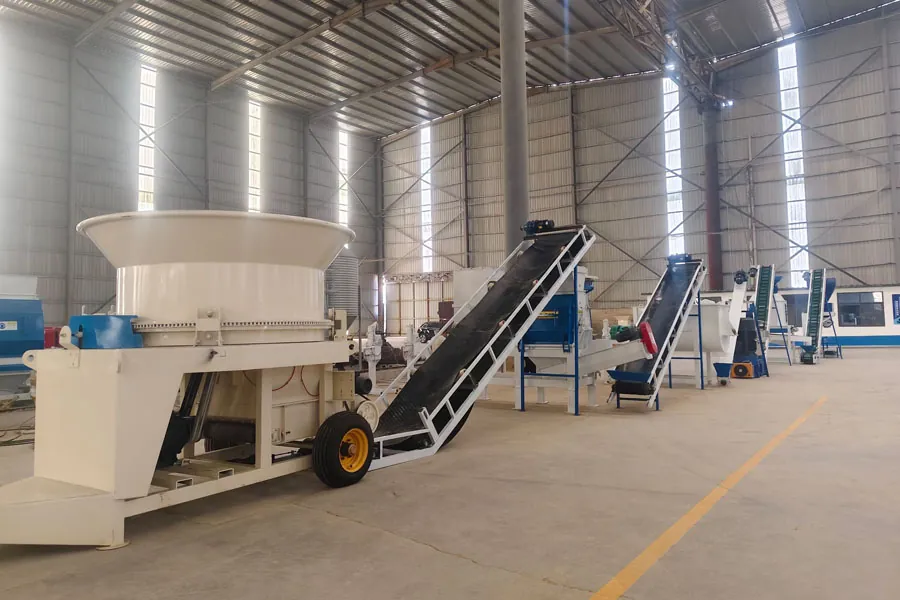
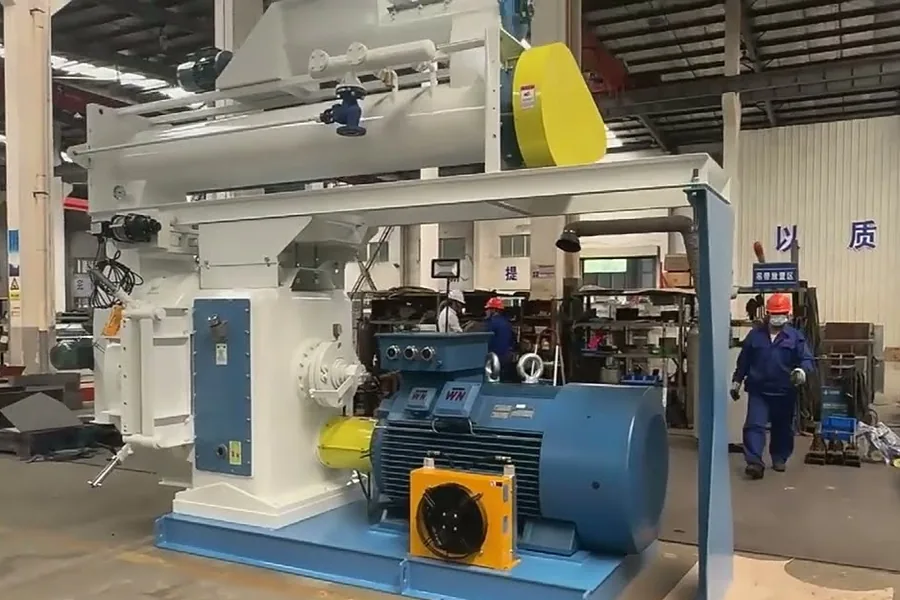
A bedding pellet is a wood pellet built to fall apart. That one sentence separates it from every fuel pellet made on the same flat die pellet mill: the die plate is shorter — 1:4 to 1:5, so a 6 mm hole is 24 to 30 mm of working length rather than 36 to 48 — the density target is lower at 550 to 650 kg/m³, and the durability that a stove pellet is graded on is a fault in a stall, because a pellet that survives a horse’s hoof will not absorb anything. Softwood sawdust is the material, pine or spruce with no bark in it. A flat die pellet mill covers 300 to 800 kg/h of it and a vertical ring die wood pellet mill takes over above a tonne an hour. The two numbers that decide whether the bag sells are the fines under 2 mm, which have to be screened out rather than pressed in, and the moisture, which has to be 8 to 10 % before the bag is closed.
The die plate ratios and the density range are what we cut and quote for bedding; the absorbency figure is the trade number rather than a laboratory result, and it moves with species and with how hard the pellet was pressed. The bag arithmetic is per 15 kg bag of softwood bedding at 600 kg/m³, opening out to about 150 kg/m³ loose. A 20 kg sample of your sawdust settles the die plate and the ratio better than any table.
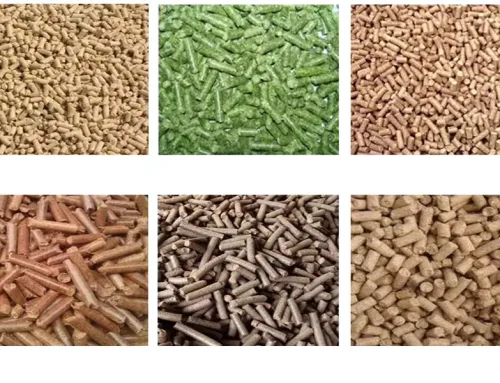
Six materials that go into a bedding bag, and what each one does
The material decides the die plate, the drying and the price of the bag. Only two of these six are what a stable actually wants, and one of the other four is a way to lose a customer.
| Material | What it absorbs | The dust and the breakdown | Whether to use it |
|---|---|---|---|
| Softwood sawdust pine, spruce |
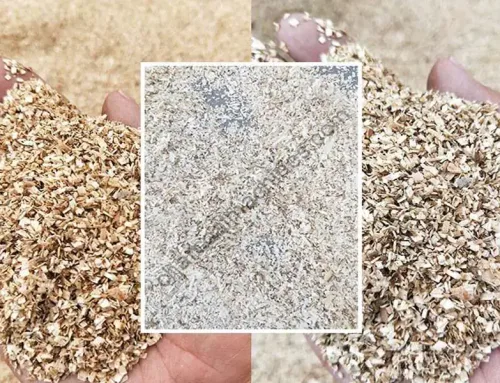
About 3× its own weight, and fast — the pellet is soft enough to take water into the core | Low dust, no splinters, and it crumbles to soft sawdust in a minute. The resin is mild and does not irritate | The default. Every other material on this page is measured against it, and the die plate is cut for it at 1:4 to 1:5 |
| Wood shavings kiln dried |
2.5×, and slower — the flake is bigger, so water runs off before it soaks in | The least dust of the wood materials and the easiest stall to muck out, but the shavings have to be hammer milled before they will press | The premium bag, if the fines are screened properly. Needs a wood hammer mill ahead of the die plate |
| Hardwood sawdust oak, beech |
2×, and the surface stays damp — the pore structure is tighter | Denser pellet, harder to break down, and the dust is heavier and settles instead of drifting | It works, but a denser die plate and a heavier bag for less absorbency. Not worth the difference in price |
| Straw wheat, barley |
2–2.5×, and it mats into a slab rather than crumbling | More dust, and the pellet is soft enough to crush in the bag on a pallet | The cheap route into a bedding bag. Wants a 1:3 to 1:4 die plate and, at the low end, a binder |
| Paper and card | 3–4×, the best absorbency of the six | Very low dust, but the pellet is grey and it looks industrial in a stall | Cat litter and poultry houses, where nobody sees it. Not horse bedding |
| Bark and recycled pallet | Unpredictable — it depends entirely on what the pallet carried | Grit, sand and the occasional wire. The fines are a health problem rather than a nuisance | Not bedding. Send it to the fuel side, where the ash is the only penalty |
The row that matters is the first one, and the second decision is what comes out of it: softwood sawdust pellets at 1:4 to 1:5 and screens clean. Bark is the material that gets into a bedding bag by accident, because a sawmill’s waste stream is not sorted, and sand in a stall is a vet bill. Which of the 24 biomass materials press at all is on the feedstock page; the ratio each one needs is on the compression ratio chart.
Four columns will not fit a phone. Swipe the table sideways for the dust column and the verdict.
Absorbency is the product and everything else is packaging. A softwood bedding pellet takes roughly three times its own weight in water, and it does it in about a minute because the pellet is soft and the water reaches the core. The same sawdust sold loose takes about half that per kilogram, and it takes longer — which is why a stable will pay for the compression even though it is buying the same wood back again.
The catch is that absorbency and durability pull in opposite directions, and the whole specification sits on that tension. Press the pellet harder and it survives the bag, the pallet and the fork — and then it sits in the stall as a hard little cylinder that the horse pushes to the door. Press it softer and it absorbs beautifully but half of it is dust before it reaches the stall. A bedding producer is choosing a point on that line, and the die plate is where the choice is made.
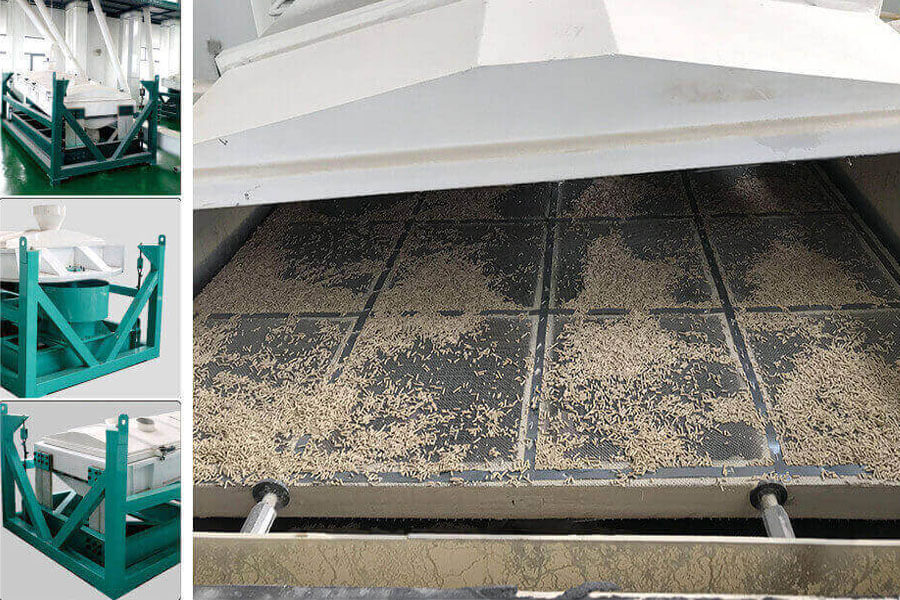
The same pellet mill, the opposite specification
Ten rows, and the first six are the ones where a fuel specification would ruin the product. If you have made stove pellets before, this is the table to unlearn.
| Dimension | Animal bedding pellet | Fuel pellet |
|---|---|---|
| Die ratio | 1:4 to 1:5 — a 6 mm hole is 24 to 30 mm of working length | 1:6 to 1:8 — 36 to 48 mm on the same hole |
| Bulk density | 550–650 kg/m³: dense enough to bag and stack, light enough to break down | 650–700 kg/m³, and the top of the range is the good end |
| Durability | Low on purpose. A bedding pellet that survives a tumbler is one that will not absorb | 97.5 % on the ENplus tumbler, and a soft pellet is a rejected load |
| Fines under 2 mm | Under 2–3 %, and screened out rather than pressed in | 1.0 % or less under ENplus A1 |
| Moisture in the bag | 8–10 %, and the lower half of that is better | 10 % or less, received basis |
| Bark and species | None. No bark, no treated timber, no MDF or plywood — the glue and the grit end up in a stall | Bark allowed; it costs ash, and ash is only a grading problem |
| Additives | None at all. A horse will eat what it can reach, and a stable reads the bag | None, or a binder where the lignin is low |
| Output per kW | Higher — the die plate is shorter, so the same motor meets less resistance | Lower — the die plate is the load, and the ratio is chosen for durability |
| Die life | About two-thirds the working life in product: 350–500 hours against 500–800, because there is less working length to wear | 500–800 hours on clean wood at 12–15 % moisture |
| The bag | 15 to 25 kg printed retail bag, palletised and shrink wrapped | 15 kg bag, or bulk in a blower tanker |
| Certification | None. The specification is the buyer’s, and the buyer is a stable | ENplus A1, A2 or B, audited annually |
The ratio row is the one that gets copied over by mistake. A pellet mill set up for stove pellets has a 1:6 die plate in it, and running bedding sawdust through that die plate makes a hard, shiny pellet that looks better in the bag and fails in the stall — it rolls to the corner instead of taking the wet. Order the die plate for the product, not for the pellet mill. The ratios themselves are on the compression ratio chart, and the certification column is set out in full on the ENplus page.
Three columns will not fit a phone. Swipe the table sideways for the fuel column.
Read the durability row twice, because it is the one that feels wrong. Every instinct from the fuel side says a harder pellet is a better pellet; on this product it is the reverse. The customer is not burning the pellet, they are asking it to take a litre of urine and turn into soft bedding. A pellet pressed hard enough to score 97.5 % on a tumbler has been pressed hard enough to seal the surface, and a sealed surface is a slow surface.
The additive row is the one that ends contracts. Bedding goes into a stall with an animal that licks, chews and eats what it can reach, so nothing goes in the pellet that would not go in a feed bag — no waste oil for dust control, no binder unless the material genuinely will not press, and no recycled material of unknown origin. A stable that finds a piece of wire in a bag does not complain, it changes supplier.
Six numbers on the bag, and how to check each one yourself
Every one of these can be measured in a workshop with a sieve, a scale and a litre jug. A bedding buyer who checks all six is a buyer who does not come back.
| What is measured | Bedding target | Why it matters | How to check it |
|---|---|---|---|
| Diameter | 6–8 mm | 6 mm for cat litter and poultry, where the pellet is spread thin; 8 mm for horse bedding, where it has to survive a fork and a wheelbarrow | A caliper across ten pellets out of the bag, not across one |
| Length | 10–30 mm, and no more than 1.5× the diameter at the top end | Long pellets bridge across each other in the bag and snap in an auger; the broken ends become fines | A 10 mm and a 30 mm slot cut in a card, and a handful through it |
| Fines under 2 mm | Under 2–3 % | Fines are the dust the customer sees when the bag opens and the respiratory complaint three weeks later. This is the number a stable judges the whole delivery on | 500 g on a 2 mm sieve, shaken for a minute, and weigh what passed through |
| Moisture | 8–10 % | Above 12 % the bag sweats on the pallet and the pellet moulds from the inside; below 6 % the pellet is brittle and makes its own fines in the bag | A moisture meter on a crushed pellet. A whole pellet reads the surface, not the core |
| Bulk density | 550–650 kg/m³ | Below 550 the bag is mostly air and the pallet is unstable; above 650 the pellet has been pressed too hard and the absorbency has gone | Fill a 1 litre container from a height, strike it off and weigh it |
| Absorbency | About 3× its own weight | The whole reason the product exists, and the figure that falls off a cliff as density goes up | 100 g into 300 ml of water, and time how long it takes to stop floating |
The fines and the moisture are the two a customer checks and the two a producer stops checking first, because both look fine on the first day of production. A 2 mm sieve and a moisture meter cost less than one rejected pallet. The drying side — how much water has to come out to reach 12–15 % at the die plate — is on the sawdust dryer page, and the moisture figures behind it are on the moisture page.
Four columns will not fit a phone. Swipe the table sideways for the target and the test.
Diameter is the first question a buyer asks and the least important of the six, which is why it is first on the bag. The size that matters is set by how the bedding is used rather than by the pellet mill: a poultry house spreads pellets through a blower and wants 6 mm, a stable forks it out of a barrow and wants 8 mm because an 8 mm pellet does not turn to dust on the way. Both come off the same die plate change, so a producer that sells both keeps two die plates.
The two numbers that decide whether the bag is reordered are the fines and the moisture, and they are the two that a new line gets right by accident and a two-year-old line gets wrong quietly. Fines creep up as the die plate wears and as the screen mesh stretches; moisture creeps up as the sawdust dryer is pushed for output. Neither shows on the pallet, and both show in the stall.
Six things that turn a bedding pellet into a complaint
None of these is a breakdown. All six are process decisions taken before the first bag, and five of the six are cheaper to fix in advance than afterwards.
| What it is | What goes wrong | What to do about it |
|---|---|---|
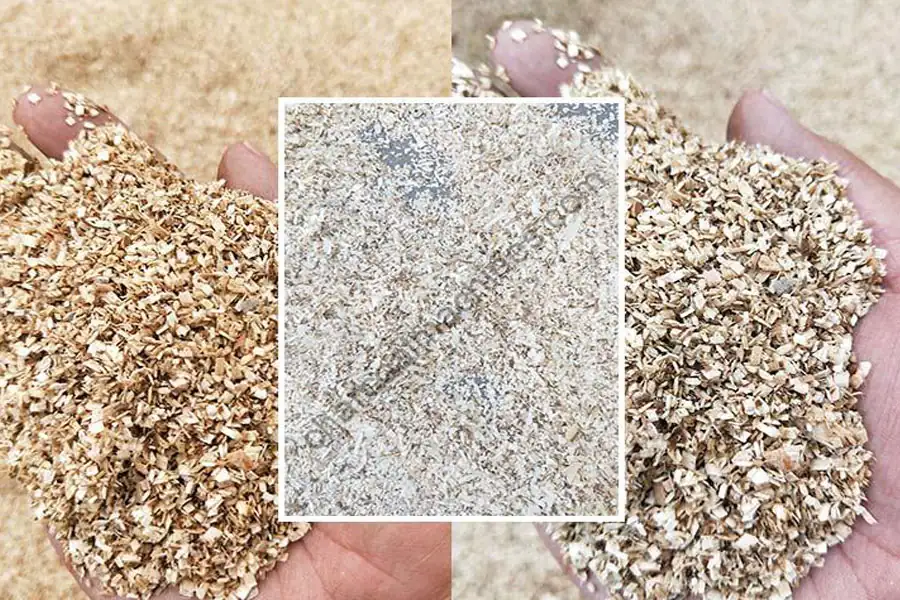
| Particle size into the die plate | Shavings longer than the die hole arch over the chamber and the pellet mill surges, so the pellet comes out laminated | A wood hammer mill to under 5 mm and a 4 mm screen, before the die plate sees it |
| Moisture at the die plate | Below 12 % the sawdust will not plasticise and the pellet crumbles off the die plate; above 16 % it comes out soft and smears | Press at 12–15 %, then dry the finished pellet down to 8–10 % before the bag |
| Cooling | A warm pellet is a soft pellet. Bag it at 40 °C and it deforms under its own weight on the pallet, and the bag sweats | Cool to within 3–5 °C of room temperature. A bedding pellet also firms up as it cools, which is the only hardness it needs |
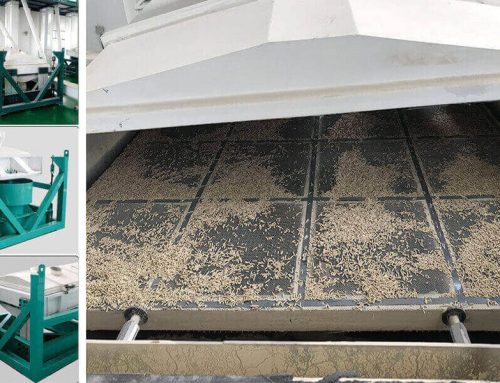
| Screening | Everything under 2 mm that stays in the bag becomes dust in the stall and a phone call | A 2 mm screen after the pellet cooler, with the fines returned to the die plate — up to about 10 % of the output |
| Bark and grit | A sawmill waste stream is not sorted. Sand, bark and the odd stone go through the die plate and end up in a stall | Buy clean sawdust and screen it. A magnet and a 4 mm screen cost less than one vet bill |
| The bag and the pallet | 15 kg in a printed bag on a shrink-wrapped pallet is a retail product, and it is handled six times before it reaches a stable | Check the bag weight and the seal, and stack no more than the bag is rated for — a split bag on a pallet is a returned pallet |
The first two rows are where a bedding line is won or lost, and both are upstream of the pellet mill. Particle size is a wood hammer mill setting; moisture is a sawdust dryer setting and then a cooling setting. A pellet mill asked to fix either one will make pellets that look right and behave wrong, and the die plate will take the blame.
Three columns will not fit a phone. Swipe the table sideways for the remedy.
The cooling row is the one that gets skipped because a bedding pellet is not a fuel pellet and nobody expects it to be hot. It comes off the die plate at 70–90 °C like any other pellet, and it has to come down before the bag — the same 6–10 minutes of retention, the same 22 to 34 cubic metres of air a tonne. What is different is what the cooling does to the product: a bedding pellet firms up as it cools, so a pellet that feels too soft at the die plate is often the right pellet two minutes later.
The last row is the one a pellet mill supplier tends to leave out. A bedding pellet is a retail product before it is an industrial one: it goes out in a printed 15 kg bag, on a pallet, through a distributor, into a feed store and then into the back of a car. Everything about the packaging has to survive that, and the pellet packing machine and the seal on the bag are as much part of the specification as the die plate is.
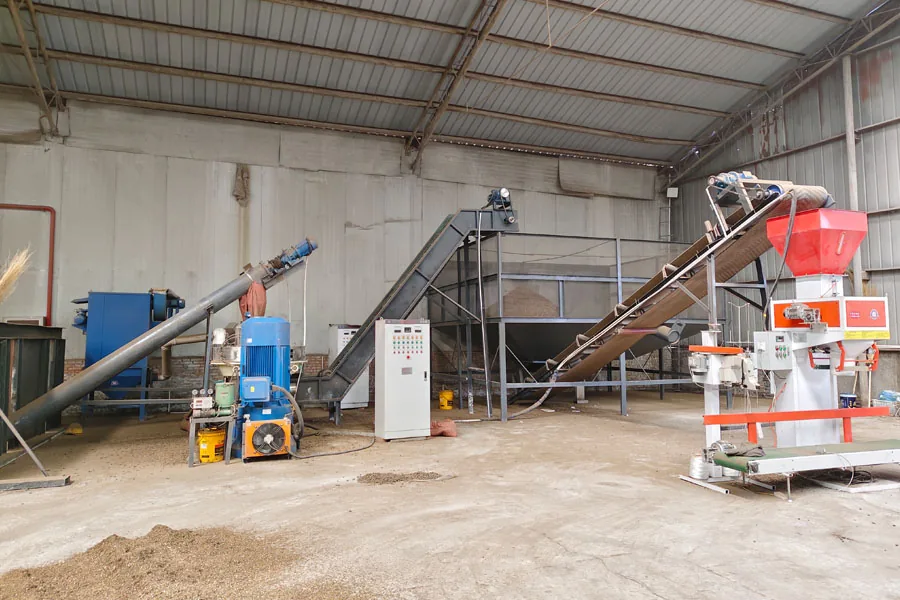
Your output a day, and what the pellet mill and the bags look like
Four fields. The first two give the output the pellet mill has to make, the third gives the bag count, and the fourth is the one that decides how much sawdust you actually have to buy.
At 20 t a day over 10 hours the pellet mill has to make 2,000 kg/h of bedding pellets: 133 bags of 15 kg an hour, 67 bags to the tonne. Sawdust in at 30 % is 2,571 kg/h of wet material, and the answer is HML-600, rated 1.5–2.0 t/h.
The output is finished bedding pellets, not sawdust in. Wet material is worked back from 10 % in the bag — the top of the 8–10 % band — so 20 t a day of product needs 2,571 kg/h of 30 % sawdust, and the difference is the water the sawdust dryer takes out. The model is chosen on the fuel rating for that frame, so if your figure lands on a boundary, take the smaller model and check the die plate before you take the larger one.
The output figure is finished bedding pellets, not sawdust in. A bedding line loses weight between the two — water comes out in the sawdust dryer, and fines go back to the die plate rather than into the bag — so the material you buy is always more than the product you sell. The tool works the difference on moisture alone, which is the largest part of it.
The model the tool names is the pellet mill, and it is chosen on the fuel rating for that frame rather than on a bedding rating. A 1:4 die plate draws less than a 1:6 one at the same output, so a bedding line runs at the top of the range or a little above it. The bag count is the number to take to a packaging supplier, because it is bags an hour that sets the bagging scale, and a 15 kg bag is 67 to the tonne.
Setting up a bedding line, in the order it has to happen
Two of these are decisions about the product and two are decisions about the site. The order matters, because the second pair depends on the first.
Fix the product before the site
Diameter, fines limit, bag size and the market — horse, poultry or litter. An 8 mm horse bedding pellet and a 6 mm poultry pellet are the same sawdust and two different die plates, screens and bags, and deciding this after the pellet mill is ordered means ordering a second die plate.
Order the die plate for the product
1:4 to 1:5, not the 1:6 that comes in a pellet mill set up for fuel. Say what the pellet is for when the die plate is ordered, because it is cut to order and it is the single cheapest place to change the product.
Size the drying and the cooling around the moisture
Press at 12–15 % and bag at 8–10 %. The gap is what the sawdust dryer has to take out of the incoming material, and the last three to five points are what the pellet cooler takes out after the die plate. Neither is optional on a retail bag.
Then the screen, the bag and the pallet
A 2 mm screen after the pellet cooler, fines back to the die plate, a scale set to the bag weight and a pallet pattern that survives a distributor. This is the stage that decides whether the product arrives as bedding or as dust.
The first step is the one that gets taken last, and it is the only one that costs nothing. A producer that starts from the bag — what size, what fines limit, what the customer does with it — orders one die plate and one screen mesh. A producer that starts from a used pellet mill orders a die plate, discovers the pellet is too hard, and orders another one. The difference is a few hundred on the die plate and six weeks of production.
The third step is where a bedding build differs most from a fuel build, and not in the direction people expect. A fuel line dries hard because moisture costs calorific value; a bedding line dries to a target band and then has to put moisture back if it overshoots, because sawdust below 12 % will not press at all. Over-drying is a real fault on this product and it is invisible until the pellet starts crumbling off the die plate.
Three sizes of bedding plant, and what each one commits to
Almost every bedding operation is one of these three. They differ in the pellet mill, and in how much of the site is drying rather than pressing.
-
300–600 kg/h, a farm or a sawmill with waste
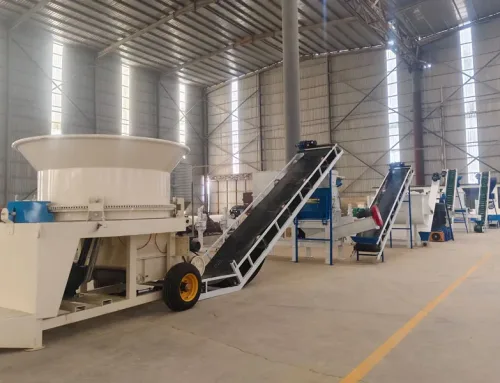
A flat die pellet mill — PM-D450B at 450–600 kg/h or PM-D580B at 600–800 kg/h — with a wood hammer mill ahead of it and a combined pellet cooler and screener behind. This is the build on the 500 kg/h wood pellet production line: one shed, one slab, and the bagging is a scale and a person.
-
1 t/h
One PM-D450B pair or one HML-560, a sawdust dryer sized on the water rather than on the output, and a pellet cooler with a separate 2 mm screen. This is where the drying stops being optional, because a tonne an hour of 30 % sawdust is 250 kg of water an hour that has to go somewhere before the die plate sees it.
-
2 t/h and up
A vertical ring die wood pellet mill — HML-600 at 1.5–2.0 t/h, or HML-700 at 2.0–2.5 — with the full six stages and a pellet packing machine on the end. The 2,000 kg/h wood pellet production line is this build, and from here the product is a branded bag rather than a bulk sack.
The three routes are separated by drying rather than by the pellet mill, which is unusual. At 300 kg/h a farm can press sawdust at 15 % and skip the sawdust dryer entirely, because the material arrives close enough and the bag is sold locally. At a tonne an hour the material is whatever the sawmill tipped, and a sawdust dryer becomes the constraint on the output of the whole site. The most expensive mistake on this page is buying the pellet mill for the output and discovering the sawdust dryer is the constraint.
What buyers ask about bedding pellets
Eight questions, answered the way we answer them on the phone.
What are animal bedding pellets made of?
Softwood sawdust, almost always — pine or spruce, kiln dried and screened, with no bark and no treated timber. Straw and paper both work and both have a smaller market: straw mats rather than crumbles, and paper is grey, which is fine in a poultry house and wrong in a stable.
Why are bedding pellets different from fuel pellets?
The specification is inverted. A fuel pellet is pressed hard on a 1:6 to 1:8 die plate to survive handling and score 97.5 % on a tumbler; a bedding pellet is pressed on a 1:4 to 1:5 die plate so that it breaks down in water in about a minute. Same pellet mill, same sawdust, opposite target.
What size should bedding pellets be?
6 to 8 mm. Six for poultry and cat litter, where the bedding is spread thin and a small pellet covers better; eight for horse bedding, where the pellet has to survive a fork, a barrow and a wheel. Length 10–30 mm, and no more than 1.5× the diameter at the top end.
How much water does a bedding pellet absorb?
About three times its own weight, if it is softwood pressed on a 1:4 die plate. The figure falls as density rises, which is why a bedding pellet that looks dense and shiny in the bag is usually a pellet that has been pressed too hard and will not take the wet.
How many bags does a stable need?
Six 15 kg bags for the first 5 cm bed in a 3.6 × 3.6 m stall, and one or two a week after that. A 15 kg bag opens out to about 0.1 m³ of loose bedding, so a tonne is 67 bags and roughly ten weeks of topping up for one horse.
Can I make bedding pellets on a flat die pellet mill?
Yes, up to about 800 kg/h — PM-D450B at 450–600 kg/h or PM-D580B at 600–800 kg/h. Above a tonne an hour the pellet mill is a vertical ring die wood pellet mill, HML-560 at 1.0–1.5 t/h and up. The die plate is cut 1:4 to 1:5 either way; that is the setting that makes it bedding rather than fuel.
Do bedding pellets need a binder?
Softwood sawdust does not — its own lignin holds the pellet, which is why the die plate can be short. Straw at the low end of the moisture band may need one, and paper usually does. Anything added has to be something you would put in a feed bag, because a horse will eat what it can reach.
What is the biggest quality complaint?
Dust. Fines under 2 mm that stayed in the bag, usually because the screen mesh stretched or the die plate wore and nobody rechecked. It is the one defect a customer sees when the bag opens, and it is measurable with a 2 mm sieve and a kitchen scale before the pallet leaves.
Send 20 kg of your sawdust and we will cut the die plate for it
What the sawdust is, how wet it arrives, the pellet size you want to sell and the bag it goes in. That is enough to name the die plate ratio, the pellet mill and the screen mesh.
What happens after you send it
We press it on a flat die pellet mill at 1:4 and 1:5, screen the result at 2 mm and report the fines, the density and the absorbency, then tell you which ratio to order and which model makes your output on it. If the honest answer is that your sawdust has too much bark in it for a bedding bag, we say so before you buy a die plate.
Your details are not shared. One follow-up, no mailing list.