BBQ Pellets: Hardwood, Bark-Free, 6 mmjudged on what it leaves behind, not what it gives off
A heating pellet is sold on the energy in the bag. A smoking pellet is sold on the ash left in the tray and the flavour that went into the meat, which is why the two specifications point in opposite directions: hardwood only, no bark, no additive, under one per cent ash and half a per cent of fines. This page is that specification, the six woods that meet it, and the die plate that presses it.
- Hardwood only — softwood resin is soot, not smoke
- Bark-free: bark is 3–8 % ash and the bitter half of creosote
- Under 1 % ash, and 0.4–0.6 % on apple or beech
- Under 0.5 % fines under 2 mm, or the auger jams
Oak, hickory, apple, beech and maple all press · Ash, fines and die life reported with the model · Flat die pellet mill to 800 kg/h, vertical ring die wood pellet mill above
The short answer
A heating pellet and a smoking pellet come off the same die plate and are specified against each other. One number explains why: what the buyer does with the ash.
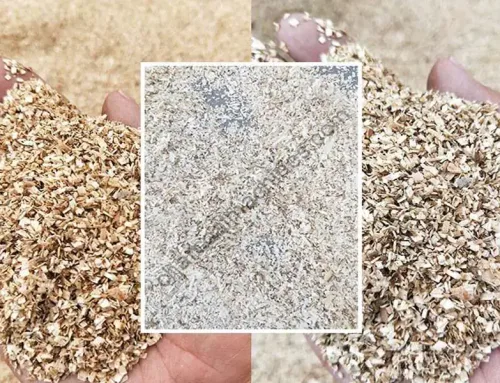
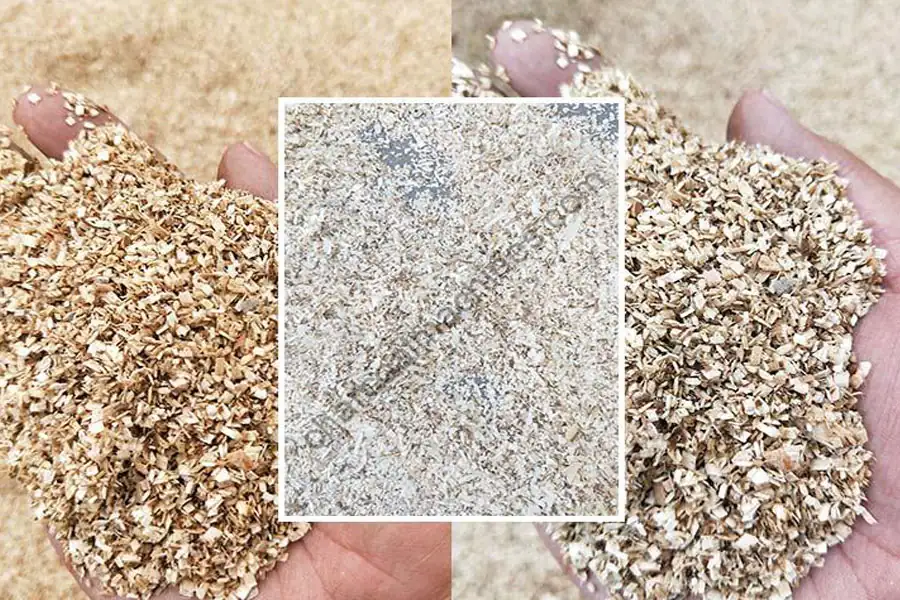
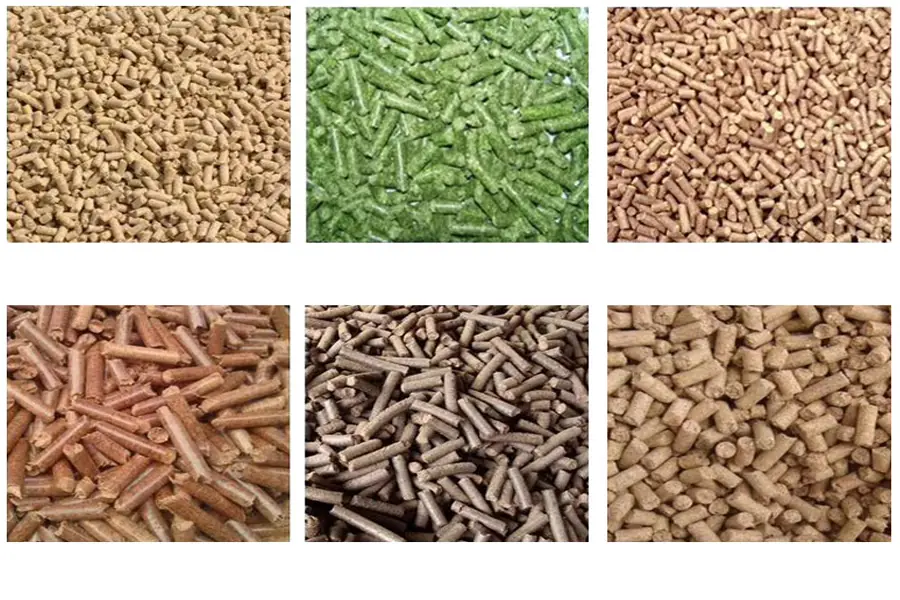
A BBQ pellet is hardwood sawdust, bark free, pressed on a flat die pellet mill at a 1:5 to 1:6 die plate, dried to 5 to 8 % and screened at 2 mm. Six millimetres across, 10 to 20 mm long, 620 to 660 kg/m³, under one per cent ash and under half a per cent of fines. Every one of those numbers is a reaction to something a cook does with the bag. Ash is what is left in the fire pot after eight hours, so a hardwood with 0.4 per cent ash leaves a cupful where hickory at 1 per cent leaves a bowl. Fines are what jams the auger and flares up when the hopper empties. Bark is creosote, and creosote is the bitter, acrid note that ruins an otherwise good brisket. Softwood is resin, and resin is soot on the meat and a black film on the glass. A heating pellet is allowed to be none of those things carefully — it is judged on megajoules per kilo, and a fuel producer will happily blend in what a smokehouse cannot use. That is the inversion on this page, and it starts with the wood rather than with the wood hammer mill that grinds it.
The ash figures are the published ranges for each species and they move with the soil, the part of the tree and how much bark got through. The density and fines figures are the band we press and screen to, and the die plate life is ours: 300–450 hours at a 1:5 ratio on clean hardwood, against 350–500 on softwood, because hardwood is the harder material to push through a die plate. A 20 kg sample of your sawdust settles the ash and the fines better than any table — and it is the only way to find out whether the bark is really off.
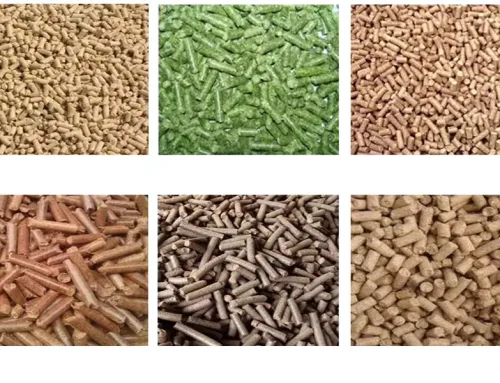
Six hardwoods sold as BBQ pellets, and what each one does in a smoker
All six press on the same die plate. What separates them is what is left in the fire pot and what the smoke tastes of, and both of those come from the species rather than from the process.
| Wood | What it does in a smoker | Ash and hardness | Whether to make it |
|---|---|---|---|
| Oak red or white |
Medium and steady — the reference smoke. Beef, lamb and anything that cooks for six hours. It is what a buyer means when a bag says simply hardwood | 0.4–0.7 % ash. Dense and hard, and it presses at 1:5 without a binder | The default. The widest market, the most forgiving to press, and the bag that needs no explanation on a shelf |
| Hickory the strongest |
The heaviest of the common woods: bacon, ribs, pork shoulder. Too much for fish and for anything delicate | 0.6–1.0 % ash, and the hardest of the six. It wears a die plate faster and presses at 1:5 to 1:6 | The premium bag in North America and a hard sell elsewhere. Make it if the market asks, and budget the die plate for it |
| Apple and cherry |
Sweet and light, with a colour on poultry that sells itself. Cherry smokes slightly pink, which is why it is sold as a blend rather than on its own | 0.4–0.6 % ash. Medium hard, and the easiest of the six on a die plate | The best margin per bag on this page, and the smallest volume. Sold as a 9 kg bag beside a 15 kg oak |
| Beech the European workhorse |
Neutral and clean — closer to oak than to hickory, and the wood most European bags are filled with | 0.4–0.6 % ash. Medium hard and consistent, which is why it is the volume wood in that market | The volume product in Europe. Cheap, available bark free, and it presses at 1:5 all day |
| Mesquite regional and hot |
Very strong and very hot — a Texas product rather than an export one. It overpowers anything but beef | 0.6–1.0 % ash, and it is hard enough to be difficult to grind. A 3 mm screen takes twice the time | Worth making for one regional market and not for a container load. The die plate wear is the reason |
| Maple the blender |
Mild and sweet. Rarely sold alone; it is what a producer uses to soften hickory or to fill a bag that promises hardwood without promising which | 0.4–0.6 % ash. Medium hard, presses at 1:5, and blends without changing the colour of the pellet | The blending wood. Useful, unglamorous, and the reason a bag can say 100 % hardwood and mean four species |
The row that is missing from this table is the one that decides whether the bag is legal to sell: bark. Bark is 3 to 8 % ash against 0.4 to 0.7 % for the wood inside it, and it carries the resins that make smoke acrid. A mix with 5 % bark in it can double the ash of an oak pellet and put a bitter note in a cook that no amount of rub will cover. Buying bark-free sawdust, or buying a debarker, is the first decision on a BBQ line and it is made before the pellet mill is chosen.
Four columns will not fit a phone. Swipe the table sideways for the ash figure and the verdict.
Species is a purchasing decision, not a production one, and it is the decision most new producers get wrong by treating the wood as interchangeable. A bag that says hardwood and nothing else is legal in most markets and is what most of the trade sells, but a bag that says oak, or hickory, or apple has to contain that wood and nothing else — which means a separate silo, a separate run and a clean-out between them. A production line that fills four species keeps four bins and loses an hour a day to changeovers.
The ash figure is the one to put on the bag, because it is the only number a cook can verify at home. A cup of ash after a long cook is what a 0.4 % pellet leaves; a bowl is what 1 % leaves. The feedstock page covers the materials that will not press at all, and the binder page explains why a 100 % hardwood claim rules out every one of them.
One die plate, two products, and the ten rows that point in opposite directions
Read the first row and the rest follows. A heating pellet is judged on what it gives off and a smoking pellet on what it leaves behind, and every number below is downstream of that.
| Dimension | BBQ and smoking pellet | Heating pellet |
|---|---|---|
| What the buyer judges it on | The ash left in the fire pot and the flavour that went into the meat. Both are visible to a customer in one cook | Megajoules per kilo and what it costs per tonne. Nobody looks in the fire pot |
| The wood | Hardwood only, and bark free. A softwood is disqualified rather than merely second best | Any biomass that burns. Bark is allowed as long as the ash stays inside the certificate |
| Density | 620–660 kg/m³ — dense enough for an auger, light enough for a hot rod to catch in four minutes | 650–700 kg/m³, and higher is better because density is energy per cubic metre |
| Moisture in the bag | 5–8 %, and the drier end is the premium end because water is smoke and steam | 8–10 %, and the buyer accepts the top of that band if the price is right |
| Ash | Under 1 %, and 0.4–0.6 % on the fruitwoods. It is the headline figure on the bag | Under 0.7 % for ENplus A1, and it is a compliance figure rather than a selling one |
| Fines | Under 0.5 % under 2 mm. Fines bridge in a hopper and jam a feed auger | Under 1 %, and a little more is tolerated because a stoker does not care |
| Additives | None, ever. A bag that says 100 % hardwood cannot contain a lubricant, a binder or a colour | None in the certified grades, but a binder is normal in an industrial pellet |
| Die plate | 1:5 to 1:6 on hardwood, 300–450 hours, and the surface has to stay open enough to light | 1:6 to 1:8, 500–800 hours, and a glossy surface is a selling point rather than a fault |
| The bag | 9 kg or 20 lb printed, retail, and often a 15 kg bag beside it for a different market | 15 kg in a printed bag, or a bulk blower load into a silo |
| The mistake | Pressing to fuel density because it looks like a better pellet. A glazed 680 kg/m³ pellet lights slowly and smokes dirty until it catches | Using hardwood at all when softwood presses faster and burns hotter for the same money |
The density row is where a producer coming from fuel gets it wrong, and the error is invisible in a bag. A denser pellet looks better, weighs more per litre, ships cheaper and survives handling — all true, and all irrelevant to a cook who cannot get it to catch. The band is 620 to 660 kg/m³ and the upper end of it is for a bag that has to travel; the lower end is for a bag sold within a region. What sets it is the die plate ratio and the moisture, exactly as on a fuel pellet line, only pulled the other way.
Three columns will not fit a phone. Swipe the table sideways for the heating pellet column.
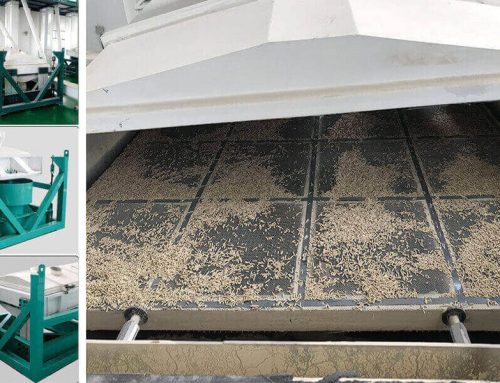
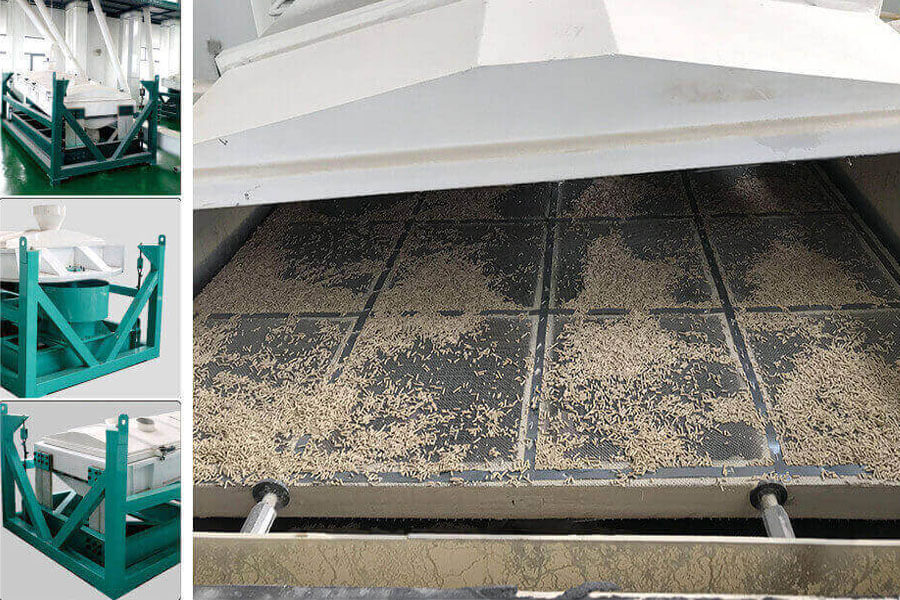
The fines row is the one that generates returns, and it is the cheapest of the six to fix. A pellet grill feeds on a small auger from a hopper; fines pour into the flights, pack down and stop the feed, and when the auger finally clears them the fire gets a surge of fuel and the temperature spikes. The customer sees a flame out and a bag of dust, and they photograph the bag. A 2 mm deck, a hood on the spout and a bag filter on the exhaust take a bag from two per cent to under half, and the cooling and screening page is where that is worked out.
The additives row is a legal row rather than a technical one, and it is worth being blunt about it. In most markets a bag labelled 100 % hardwood that contains a pressing lubricant is a mislabelled product, and the lubricant is exactly what a producer reaches for when hardwood will not press cleanly. The answer is a die plate cut for hardwood and a moisture band that suits it, not an additive. The binder page has the rest of that argument.
Six numbers on a BBQ bag, and how to check each one yourself
Every one of these can be measured with a set of sieves, a kitchen scale, a litre jug and a fire pot. A buyer who checks all six is a buyer who does not come back with half a pallet.
| What is measured | BBQ target | Heating pellet | How to check it |
|---|---|---|---|
| Pellet size | 6 mm × 10–20 mm | 6 or 8 mm, 10–30 mm | A set of sieves and a handful through them, weighed at each size |
| Density | 620–660 kg/m³ | 650–700 kg/m³ | Fill a 1 litre jug from a height, strike it off level and weigh it |
| Moisture | 5–8 % | 8–10 % | A moisture meter on a crushed pellet, not on a whole one |
| Ash | Under 1 %, and 0.4–0.6 % on fruitwood | Under 0.7 % | Burn 100 g in a clean tin to white ash and weigh what is left — the only test that cannot be faked |
| Fines under 2 mm | Under 0.5 % | Under 1 % | 500 g on a 2 mm sieve, shaken for a minute, and weigh what passed through |
| What it does in the auger | Feeds without bridging, and lights in about four minutes | Feeds a stoker, and lights however the appliance lights | A handful into a glass of water: it should sink, swell and hold its shape for a minute before it breaks down |
The ash test is the one worth doing before a pallet is ordered, and it is the only test on this page that a buyer can run without equipment. Burn a weighed 100 g in a clean tin, let it go to white ash and weigh the residue: 0.5 g is 0.5 %, and a bag claiming 0.4 % that leaves 1.2 g is a bag with bark in it. The moisture side is on the moisture page and the density and ratio arithmetic is on the compression ratio chart.
Four columns will not fit a phone. Swipe the table sideways for the heating figure and the test.
Fines and ash are the two numbers a customer can test, and they are the two that drift as a screen mesh stretches and a die plate wears. A set of sieves and a tin cost less than one rejected pallet, and on this product they are also the record you need when a customer sends a photograph of a hopper full of dust and asks what happened.
The last row is the one that catches an over-pressed pellet, and it is the test a producer should run on their own product every week rather than the one a customer runs first. A pellet that sits on the surface of the water has been pressed too hard or dried too far, and it will be slow to light in a smoker for the same reason. Four minutes to catch is the figure to aim at, and a pellet that takes eight is a bag that gets returned.
Six things that turn a BBQ pellet into a bag of smoke and dust
Three of these are in the raw material, two are in the die plate and one is at the bag. None of them can be fixed by pressing harder, and one of them is illegal to fix.
| What it is | What goes wrong | What to do about it |
|---|---|---|
| Bark in the mix | Bark is 3–8 % ash against 0.4–0.7 % for the wood, and it carries the resins that taste acrid. Five per cent bark can double the ash of an oak pellet | Bark-free sawdust, or a debarker ahead of the wood hammer mill, and an ash test on every incoming load rather than on the first one |
| Softwood in the mix | Resin burns to soot: a black film on the meat and on the glass. A softwood pellet also crumbles more in the bag, which is the second complaint | Hardwood only, and say so on the bag. Pine and spruce press more easily and are the temptation at every step of the buying chain |
| Die plate ratio | A 1:6 or 1:8 plate leaves a glazed, dense pellet that takes eight minutes to catch and smokes dirty until it does | 1:5 to 1:6, and say what the product is when the die plate is ordered — the ratio is cut into the steel |
| Over-drying | A pellet at 4 % is brittle. It makes its own fines in the bag, in the hopper and in the auger, and fines are the number one return on this product | 5–8 % into the bag, and a moisture meter at the bag rather than at the sawdust dryer outlet |
| Screening | No 2 mm deck, or a mesh that has stretched, and the fines go straight into the bag. Under 0.5 % is the limit and it is not achievable without the deck | A 2 mm deck after the pellet cooler, the fines back to the die plate, and the mesh checked on a schedule rather than on a complaint |
| An additive | A pressing lubricant, a binder or a colour is anything that is not wood, and a bag that says 100 % hardwood cannot contain one. It also fills the pores that make the pellet light | A die plate cut for hardwood and the right moisture band. If the pellet will not hold without an additive, the material is wrong rather than the process |
The first two rows are in the raw material and they are decided by the purchasing contract rather than by anything on the production floor. A supplier who takes whatever sawdust the sawmill has will find the ash drifting through the year and the flavour changing between pallets, and neither shows up until a customer cooks with it. The third row is the one that is fixed with money — a die plate cut to 1:5 — and the fourth is the one that is fixed by not over-drying, which is the opposite of what a fuel producer is trained to do.
Three columns will not fit a phone. Swipe the table sideways for the remedy.
Over-drying is the fault that a fuel background teaches you to commit. On a heating pellet the water is weight nobody pays for, so the sawdust dryer runs as far as the buyer will accept. On a smoking pellet the water is already low — 5 to 8 % — and pushing past it turns the pellet brittle, and a brittle pellet is fines by the time it has been through a bagging spout, a pallet and a customer’s hopper. The sawdust dryer is sized on the water an hour, and the band is the specification.
The last row is the one that is a labelling question rather than an engineering one. Every producer who has tried to press hardwood at 1:5 on a damp day has reached for a lubricant, and on this product that decision has to be made against the bag copy rather than against the throughput. If the bag says 100 % hardwood, the additive is off the table and the answer is a different die plate, a different moisture or a different wood.
Your output, your bag, and the ash the wood allows
Four fields. The output sets the pellet mill, the bag sets the bagging scale, and the wood sets the ash figure and the die plate — which on this product is the number that goes on the front of the bag.
At 20 t a day over 10 hours the pellet mill has to make 2,000 kg/h of BBQ pellets: 222 bags of 9 kg an hour, 111 bags to the tonne. On oak that is HML-600, rated 1.5–2.0 t/h, on a 1:5 die plate and an ash ceiling of 0.4–0.7 %.
The output is finished bagged pellets, not raw material in. The model is chosen on the fuel rating for that frame, so a hardwood line runs at the top of the range or slightly above it, and the ash figure in the last box is set by the wood rather than by the frame.
The bag count is the number to take to a packaging supplier, because it is bags an hour that sets the bagging scale rather than t an hour. A 9 kg bag is 111 to the tonne and a 15 kg bag is 67, so the same output nearly doubles the bagging rate — which is why a production line that fills 9 kg retail bags runs a second weigher rather than a faster one.
The ash figure is the one this page exists for. It is set by the species and not by the process, so a production line that switches between oak and hickory is switching between two bag claims and two price points. The tool reports the range for the wood you picked, and the die plate ratio that goes with it, rather than one number for all six.
Setting up a BBQ pellet line, in the order it has to happen
The first two are decisions about the material and the last two follow from them. Getting the order wrong means buying a screen deck for a pellet size you never settled on.
Decide the wood, and buy it bark free
Oak, hickory, apple, beech or a blend. The species sets the ash figure and the bag claim, and bark-free is a purchasing condition rather than a production setting — a debarker or a supplier who guarantees it.
Fix the grind and the die plate
A wood hammer mill at 3–4 mm, finer than a bedding line needs, and a die plate at 1:5 to 1:6. Say what the product is when the die plate is ordered, because the ratio is cut into the steel and it decides how the pellet lights.
Then the drying, to a band rather than to a minimum
5–8 % into the bag. A sawdust dryer sized on the water an hour, a moisture meter at the bag, and the discipline to stop drying at the top of the band rather than at the bottom.
Then the 2 mm deck, the bag and the dust
A 2 mm deck after the pellet cooler, a hood on the bagging spout, a bag filter on the exhaust and a 9 kg printed bag. This is the stage that decides whether the product arrives as a smoking pellet or as a bag of fines.
The first step is the one that cannot be fixed later, and it is the only one that involves somebody outside the factory. Bark-free sawdust costs more per tonne and is worth it, because the alternative is a bag whose ash figure is a range rather than a claim. A producer who cannot buy bark free should sell a blend and say so, rather than put a number on the bag that a customer can disprove with a tin and a kitchen scale.
The second step is where a fuel background costs money, because every sawmill that already owns a pellet mill has a 1:6 to 1:8 die plate in it and that plate will make a beautiful dense BBQ pellet that takes eight minutes to light. The symptom reads as bad wood rather than a wrong die plate, so the sawdust gets blamed and the die plate is the last thing anybody checks. Order the 1:5 plate for this product and keep the fuel plate for fuel.
Three sizes of BBQ line, and what each one commits to
Almost every smoking-pellet operation is one of these three. They differ in whether there is a sawdust dryer, and in whether the bag is printed for a shelf or filled for a distributor.
-
300–600 kg/h, a sawmill with its own hardwood offcuts
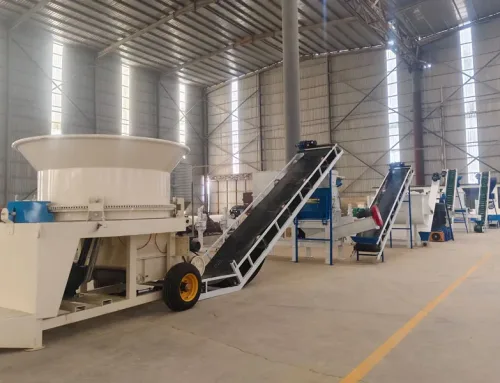
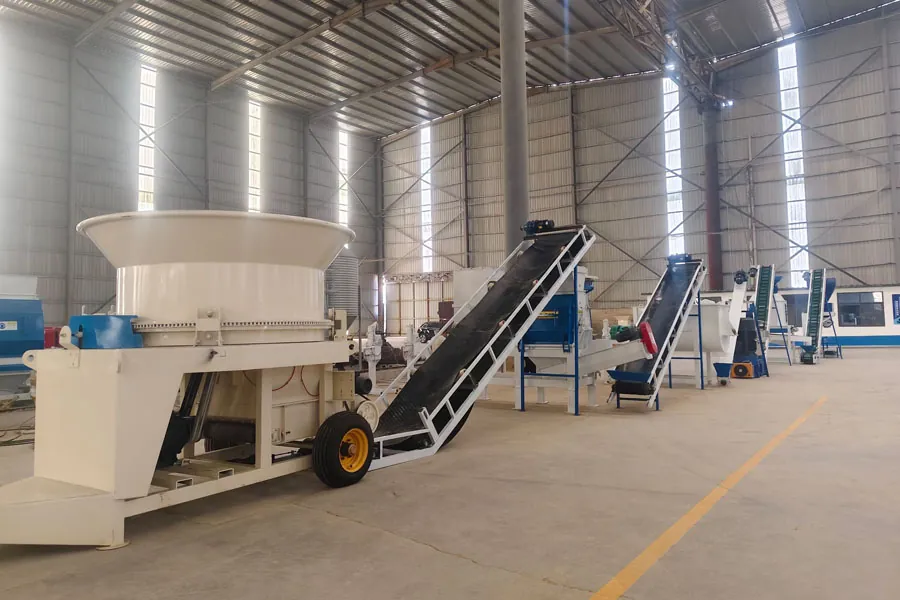
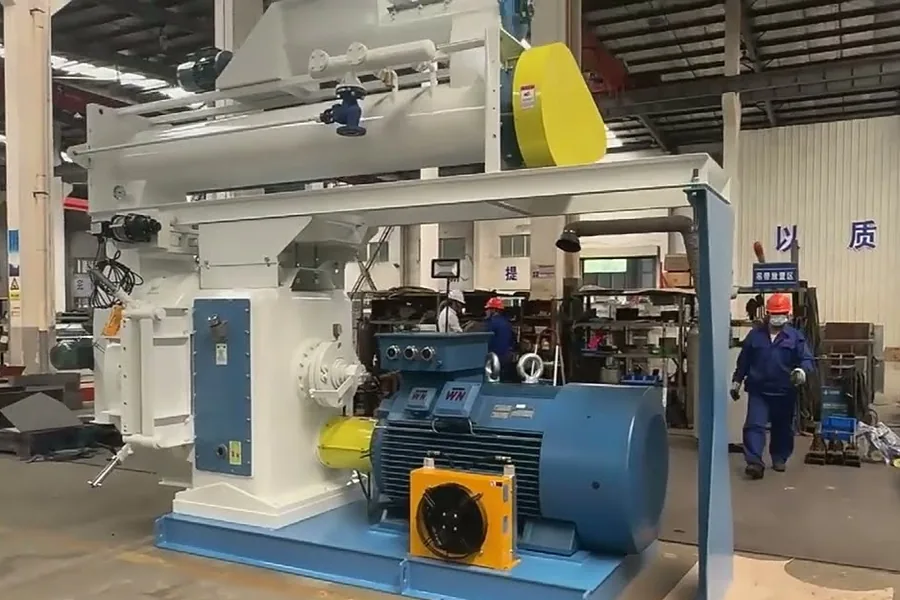
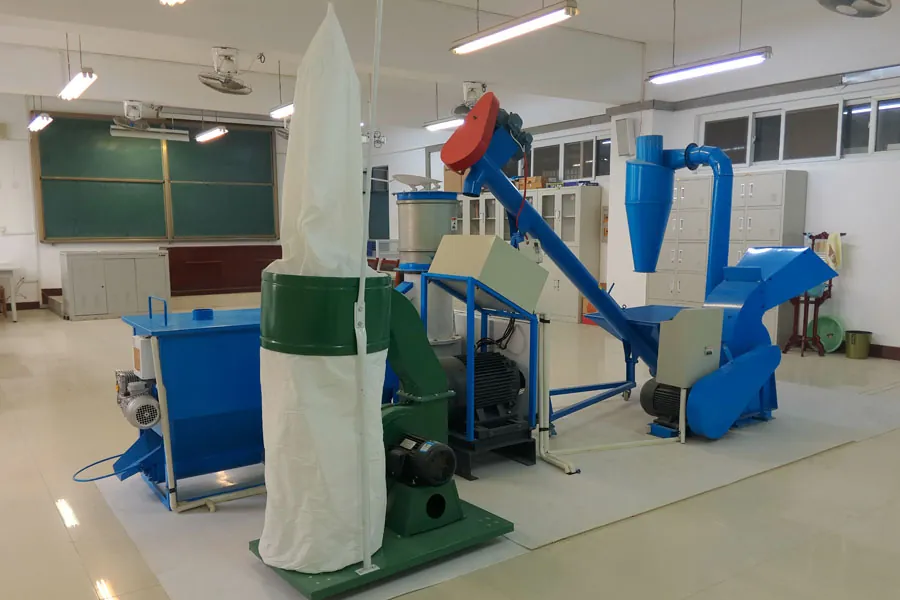
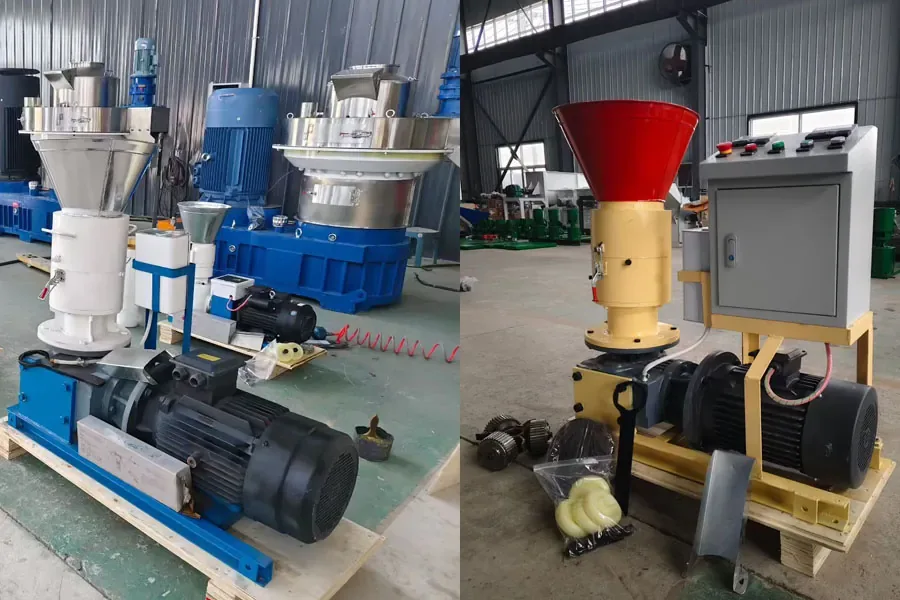
A flat die pellet mill — PM-D450B at 450–600 kg/h or PM-D580B at 600–800 kg/h — with a wood hammer mill ahead of it and a pellet cooler and screen behind. This is the build on the 500 kg/h wood pellet production line, and it is the cheapest way into a 9 kg retail bag.
-
1 t/h
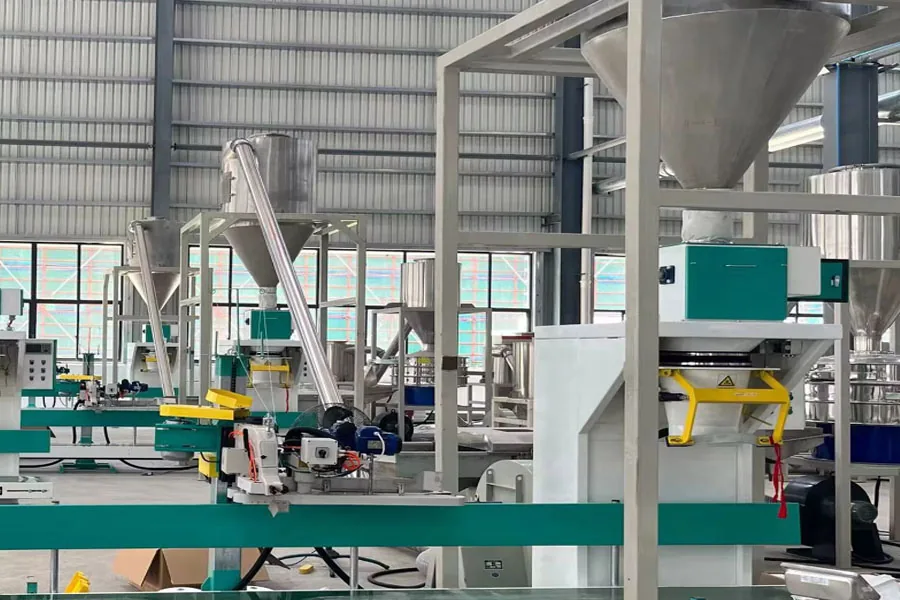
One PM-D450B pair or one HML-560, a sawdust dryer sized on the water, a separate 2 mm deck and a pellet packing machine with a weighing head. This is where the drying stops being optional and the bag stops being filled by hand.
-
2 t/h and up, or four species in one shed
A vertical ring die wood pellet mill — HML-600 at 1.5–2.0 t/h or HML-700 at 2.0–2.5 — with separate silos per species, a sawdust dryer and two screen decks. From here the product is a brand with an ash figure on the front, and the ash figure is the promise the whole production line has to keep.
The three routes are separated by the sawdust dryer and by how many species the production line carries, which is unusual for this site. A single-species BBQ line is short: a wood hammer mill, a flat die pellet mill, a pellet cooler and screen and a bag. The moment a second species goes in, the silos, the changeover time and the ash testing all arrive at once, and a producer who has not costed that finds out on the second pallet. The buying guide covers the choice of pellet mill; this page is about the material and the bag.
What buyers ask about BBQ pellets
Eight questions, answered the way we answer them on the phone.
What wood are BBQ pellets made of?
Hardwood, and almost always one of six: oak, hickory, apple, cherry, beech or maple. Mesquite for one regional market. What they have in common is a low ash figure, no bark in the mix and enough density to survive a hopper — not a species, a specification.
Can I make BBQ pellets on a flat die pellet mill?
Yes, and hardwood is what the pellet mill was designed for: a 1:5 to 1:6 die plate, 6 mm, pressed at 10–14 % and bagged at 5–8 %. The die plate life is 300–450 hours rather than the 350–500 a softwood gives, because hardwood is the harder material to push through a die plate.
Why no bark in a BBQ pellet?
Two reasons and both are measurable. Bark is 3 to 8 % ash against 0.4 to 0.7 % for the wood inside it, so 5 % bark in a mix can double the ash on the bag. And bark carries the resins that make smoke acrid — the bitter note that people describe as creosote and that no rub will cover.
Can I use softwood for smoking pellets?
No. Pine, spruce and fir are resinous, and resin burns to soot — a black film on the meat and on the glass. A softwood pellet also crumbles more in the bag, which is the second complaint a customer makes. Softwood presses more easily than hardwood, which is why it is the temptation at every step of the buying chain.
What is the difference between BBQ pellets and heating pellets?
The wood, the ash, the fines and the additives. A heating pellet is judged on megajoules per kilo and may contain bark and a binder; a smoking pellet is judged on the ash left in the fire pot and may contain neither. Fines are under 1 % on a heating bag and under 0.5 % on a BBQ bag, because a pellet grill feeds on a small auger that fines will jam.
What moisture should BBQ pellets be?
5 to 8 % in the bag, which is drier than a heating pellet's 8 to 10 %. Water is smoke and steam rather than flavour, and a damp pellet lights badly. The other end is just as bad: a pellet at 4 % is brittle and makes its own fines in the bag, and fines are the number one return on this product.
What size should smoking pellets be?
6 mm across and 10 to 20 mm long. The 6 mm is fixed by the auger and the fire pot on every pellet grill on the market; the length is a compromise between feeding cleanly and packing into a bag without breaking. Anything under 2 mm is fines and the bag should carry under 0.5 % of it.
Do BBQ pellets need a binder?
No, and a bag that says 100 % hardwood cannot contain one. Hardwood lignin holds the pellet at a 1:5 ratio on its own. If a batch will not hold, the answer is a different die plate, a different moisture band or a different wood — not an additive, because the additive is what the label forbids.
Send 20 kg of your sawdust and we will burn it to ash
What the wood is, whether there is bark in it, how wet it arrives and the bag it goes into. That is enough to name the die plate ratio, the pellet mill and the screen deck.
What happens after you send it
We press it on a flat die pellet mill at 1:5 and 1:6, screen the result at 2 mm, burn 100 g to white ash and weigh it — then tell you the ash figure, the density and which die plate to order. If the honest answer is that your sawdust has too much bark in it for a bag that carries a number, we say so before you buy a die plate.
Your details are not shared. One follow-up, no mailing list.