ENplus A1 and ISO 17225-2: What Your Pellet Must Passseven numbers decide it, and two of them fail first
ENplus A1 is ISO 17225-2 class A1 with a chain-of-custody audit bolted on. Seven figures decide the class: moisture, ash, calorific value, durability, fines, bulk density and chlorine. Two of them — ash and durability — are where almost every mill fails, and neither is decided by the pellet mill. Ash comes in with the feedstock. Durability comes out of the die and the pellet cooler.
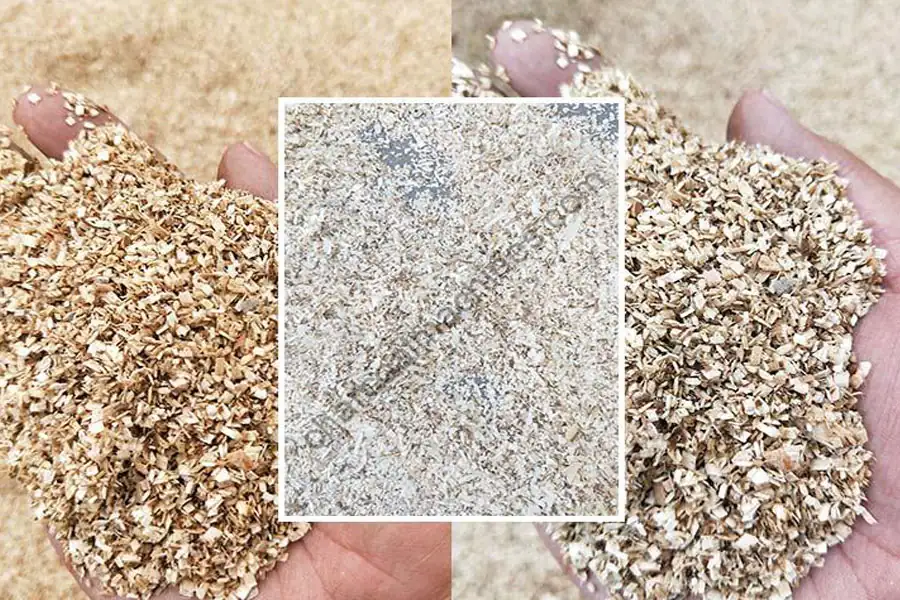
- Ash ≤ 0.7 %, and clean sawdust runs 0.4–0.6 %
- Durability ≥ 97.5 %, measured in a tumbler
- Fines ≤ 1.0 % at the gate, not at the die
- A certificate costs 5,000–10,000 in year one
We quote the production line to the class you need · Ash, durability, fines, and the test certificate for each
The short answer
A1 is not an equipment specification. It is a feedstock specification with a moisture and a durability clause.
ENplus A1 is ISO 17225-2 class A1 plus an annual audit of the site and the chain of custody. Class A1 is seven numbers: moisture ≤ 10 % as received, ash ≤ 0.7 %, net calorific value ≥ 16.5 MJ/kg, mechanical durability ≥ 97.5 %, fines ≤ 1.0 %, bulk density ≥ 600 kg/m³ and chlorine ≤ 0.02 %. Everything else — nitrogen, sulphur, the eight heavy metals, the ash melting point — sits behind those and is rarely the reason a sample fails. Ash and durability are the reason. Ash is set by what goes into the wood hammer mill: clean debarked sawdust runs 0.4–0.6 %, and 10 % of bark or screenings put back in takes it over 0.7 %. Durability is set by the die, the feed and the pellet cooler, and a shallow die lands at 94–96 %.
The limits here are ISO 17225-2 class A1 and the ENplus A1 grade, which use the same figures for the parameters listed. Where the two schemes differ it is in the audit, not in the number: ISO 17225-2 is a fuel specification a laboratory can test against, and ENplus is a certification scheme that requires a site audit, annual surveillance and a licence. Check the current edition of the standard before you print a bag — the classes have been revised twice since 2014, and the edition your customer cites is the one that applies.
The nine figures that decide class A1
Read the third and fourth columns together. The third is what a well-run production line actually makes; the fourth is what takes it out of class.
| Parameter | ENplus A1 limit | What a good production line runs at | What pushes it over |
|---|---|---|---|
| Moisture content | ≤ 10 % as received | 8.0–9.5 % | A dryer set to 12 %, or a wet week at the pile |
| Ash content | ≤ 0.7 % | 0.4–0.6 % on clean sawdust | Bark, sand, soil, and screenings put back in |
| Net calorific value | ≥ 16.5 MJ/kg | 16.8–17.4 MJ/kg | Moisture above 10 % and ash above 0.7 % |
| Mechanical durability | ≥ 97.5 % | 97.8–98.6 % | A shallow die, fines in the feed, cooling too fast |
| Fines content | ≤ 1.0 % | 0.4–0.8 % at the gate | No screener, or a long drop into the bag |
| Bulk density | ≥ 600 kg/m³ | 620–680 kg/m³ | Softwood at low compression, and long pellets |
| Diameter | 6 ± 1 mm or 8 ± 1 mm | 6 mm or 8 mm | A worn die, or a die that is not the size ordered |
| Length | 3.15–40 mm | 10–25 mm | A cutter set too long, or a die with too few holes |
| Chlorine | ≤ 0.02 % | 0.010–0.015 % | Straw, treated wood, fertiliser contamination |
The four figures that are not in the table are the ones buyers ask about and rarely fail on: nitrogen ≤ 0.3 %, sulphur ≤ 0.04 %, ash melting point ≥ 1,200 °C, and the eight heavy metals from arsenic at 1 mg/kg to mercury at 0.1 mg/kg. They are all feedstock-purity tests, and a debarked softwood sawdust passes them without trying. They fail on treated wood, on demolition timber and on anything that has been stored on soil — which is the same list that fails ash.
Four columns will not fit a phone. Swipe the table sideways for the limit and the cause, which are the two columns to take to a laboratory.
The ninth row is the one that catches exporters. Chlorine at 0.02 % excludes straw, and it excludes anything that has been near salt water or fertiliser. A mill that has run rice husk or straw through the same wood hammer mill and the same ducts will carry the chlorine over for a week, so the first A1 sample after a change of material is not the sample to send.
The length row looks trivial and is not. A1 wants 3.15–40 mm, and the lower bound is the same 3.15 mm that the fines test sieves at — so a pellet that is too short is counted as a fine. A cutter set for long pellets to look impressive in a bag moves material from the durability column into the fines column, and both of them are scored against you.
Three classes, and the two rows that separate them
A1, A2 and B share most of their limits. What separates them is ash and chlorine, which are both feedstock questions, and durability, which is set by the die and the pellet cooler.
| Parameter | A1 | A2 | B |
|---|---|---|---|
| Ash content | ≤ 0.7 % | ≤ 1.5 % | ≤ 3.0 % |
| Chlorine | ≤ 0.02 % | ≤ 0.03 % | ≤ 0.05 % |
| Moisture content | ≤ 10 % | ≤ 10 % | ≤ 10 % |
| Net calorific value | ≥ 16.5 MJ/kg | ≥ 16.5 MJ/kg | ≥ 16.5 MJ/kg |
| Mechanical durability | ≥ 97.5 % | ≥ 97.5 % | ≥ 96.5 % |
| Fines content | ≤ 1.0 % | ≤ 1.0 % | ≤ 1.0 % |
| Bulk density | ≥ 600 kg/m³ | ≥ 600 kg/m³ | ≥ 600 kg/m³ |
| What it is sold as | Bagged, domestic stoves | Bagged or bulk, larger stoves | Bulk, industrial boilers |
The jump that matters commercially is A1 to A2: ash doubles from 0.7 % to 1.5 %, which is the difference between debarked sawdust and sawdust with the bark in it. On the European market that one row is worth 15–25 per tonne, which is more than the margin on the tonne itself. B is the industrial grade and it is not a downgrade in quality — it is a different customer, buying in bulk, who does not care about the bag.
Four columns will not fit a phone. Swipe sideways for the A1 column, which is the one that matters for bagged sales.
Do not aim at A2 because it looks easier. A2 still needs 10 % moisture, 97.5 % durability and 1.0 % fines, so three of the four things that cost money are unchanged. The only saving is that you can stop debarking, and if your feedstock is already clean sawdust that saving does not exist — you are just giving away the premium for nothing.
The reverse mistake is quoting A1 to a customer who needs B. A plant selling into a local industrial boiler has no use for a certificate, and the audit and the licence fee are pure cost. Decide the market first, then the class, then the production line — in that order, because the class decides whether you need a dryer, a screener and a debarking step at all.
What the laboratory actually runs
Six tests, six ISO numbers. A buyer who quotes the standard number in an email is a buyer who has done this before.
| Test | Standard | What it measures | Where a mill loses it |
|---|---|---|---|
| Moisture | ISO 18134-2 | Water as received, dried at 105 °C | A dryer set to 12 %, or a wet pile |
| Ash | ISO 18122 | Mineral residue left after 550 °C | Bark, sand, and screenings returned |
| Durability | ISO 17831-1 | 500 g tumbled 500 times, sieved at 3.15 mm | A shallow die, or fines in the feed |
| Fines | ISO 18846 | Material under 3.15 mm at the gate | No screener, or a long drop into the bag |
| Calorific value | ISO 18125 | Energy released in a bomb calorimeter | Moisture and ash, which both cut it |
| Bulk density | ISO 17828 | Mass per cubic metre in a measured container | Softwood, low compression, long pellets |
A full A1 panel is six tests and about 300–700 per sample, and it takes a week. The sample itself is the part people get wrong: it has to be taken from the bag or the warehouse, not from the die, because moisture and fines both change between the two. A sample taken at the pellet cooler outlet will pass a fines test that the same pellets fail after a lorry ride.
Four columns will not fit a phone. Swipe sideways for the ISO number, which is what to put in the enquiry.
Durability is the test that surprises people, because it is not a strength test. The tumbler does not crush the pellet, it drops and rubs it against other pellets for 500 revolutions, and what it measures is how much material survives being handled. That is why a pellet can feel hard and still fail: hardness comes from compression, durability comes from compression plus a clean surface plus cooling, and the last of those is the one that gets skipped.
The ash test is the one to run before you buy anything. It costs 300 and it tells you whether the feedstock is eligible at all — a sample at 1.2 % ash cannot be blended down to 0.7 % without diluting it with something cleaner than itself, and the calculator below shows how little room there is. Run it on the material you intend to buy, not on the material the supplier says he sells.
The certificate, item by item
Six items. Five are a payment to somebody else and the sixth is work — and the sixth is the one an auditor spends the day on.
| Item | What it is | Indicative cost | How often |
|---|---|---|---|
| ENplus licence fee | Charged on certified volume, in tiers | 2,000–6,000 a year | Annual |
| Initial audit | A certification body visits and samples | 1,500–3,000 | Once |
| Surveillance audit | Annual visit, sample from the warehouse | 1,200–2,500 | Annual |
| Laboratory tests | The six-test A1 panel per sample | 300–700 per sample | 2–4 a year |
| Chain of custody | Weighing, traceability, complaints log | Staff time | Continuous |
| Bag print | ENplus mark, class, certificate number | 300–800 per plate | Once |
The first year is 5,000–10,000 and the years after are 4,000–9,000, depending on volume. That is 1–2 % of the capital cost of a 1,000 kg/h production line, and it is the cheapest part of selling into Europe — the expensive part is the feedstock and the dryer that the class demands. A plant that cannot reach 0.7 % ash on its own material should not buy a certificate; it should buy a different feedstock.
Four columns will not fit a phone. Swipe sideways for the cost column.
The chain-of-custody item is the one nobody budgets for, and it is the one an auditor spends the day on. Every tonne has to be traceable from the feedstock delivery to the bag, which means weighing at both ends and keeping the record for five years. A plant with a notebook and a shovel passes the lab test and fails the audit, and the audit is the certificate.
The bag print is the last thing and the cheapest, and it is the only part the customer sees. The ENplus mark has to carry the class, the certificate number and the certificate holder’s name — a bag with the logo and no number is not a compliant bag, and it is the first thing a competitor will report.
How much bark you can put back in
Four fields. Ash mixes linearly, which means a small amount of dirty material moves the number a long way.
With clean material at 0.5 % and screenings at 3.0 %, you can put 8.0 % of the screenings back — 80 kg/h of a 1,000 kg/h blend. Push it to 20 % and the blend is 1.00 %, which is 1.4 × the 0.7 % A1 limit.
Ash mixes by mass, so the arithmetic is a straight weighted average: no cleverness is available. The fourth figure is deliberately a what-if — 20 % is the share most plants try when they put the screenings back, and on a 3 % material it lands at 1.00 %, well over the 0.70 % limit. If the clean stream is already at or over the limit, there is no blend that works and the answer is a different feedstock.
This is the calculation to run before signing a feedstock contract, and it is the reason A1 plants debark. Ash is a mass-weighted average: put 10 % of a 3 % material into a 0.5 % material and the blend is 0.75 %, which is already over the limit. There is no clever way around it — dilution only works if the clean stream is cleaner than the target, and it never is by much.
The same arithmetic runs the other way for moisture, which is why a plant that is marginal on ash should not also be marginal on water. Two numbers each 0.1 over their limit do not cancel: they take the calorific value down by about 0.4 MJ/kg and the sample fails on three rows at once. The feedstock table has the ash figure for each material if you do not know yours.
Getting to A1, in the order it has to happen
Two of these are decisions about material, one is a die setting, and the last one is equipment you have to buy.
Start with the feedstock, not the pellet mill
Ash and chlorine are set before anything is ground. Debarked softwood sawdust at 0.4–0.6 % ash passes; the same material with the bark in it runs 1.5–3 % and cannot be blended down. This is a purchasing decision and it is the only one on the page that cannot be fixed later.
Dry to 10 %, not to 12 %
The A1 moisture limit is 10 % as received, and the calorific value follows it. A dryer set to 12 % is right for a local sale and wrong for a certificate, and the difference is 0.6 MJ/kg and one failed row.
Set the die for durability
97.5 % comes from compression ratio, a feed with no fines in it, and cooling at the right rate. A die that is too shallow makes pellets that look right and tumble to 95 %, and no amount of cooling recovers it.
Screen and handle for fines
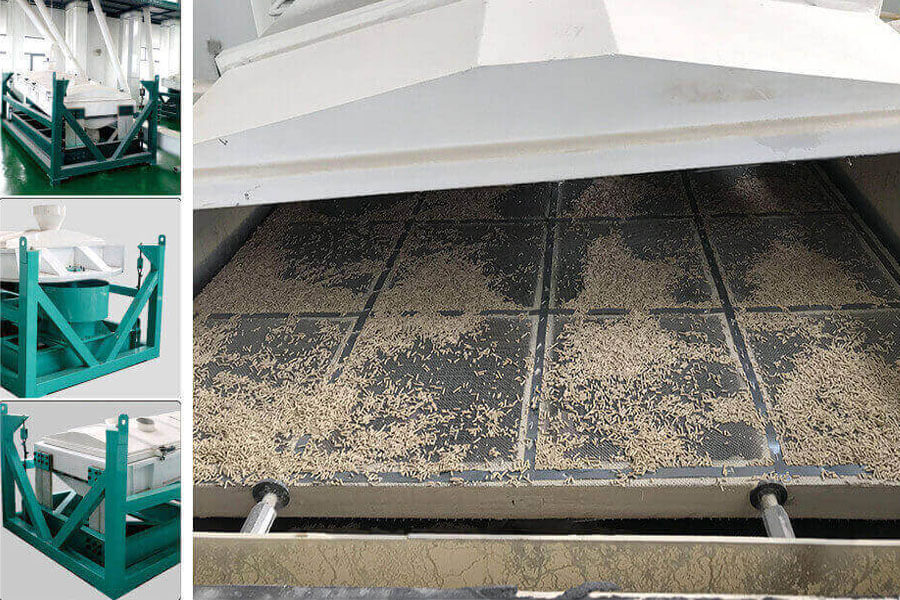
1.0 % at the gate means a screener after the pellet cooler and no free-fall drops between it and the bag. Every transfer is worth 0.1–0.2 %, and a plant with four of them starts at the limit rather than under it.
The mistake that costs the most is buying the certificate before testing the feedstock. A mill that spends 8,000 on an audit and then discovers its sawdust runs 1.1 % ash has bought a document it cannot use, and the fix — a different supplier, or a debarking step — is a bigger purchase than the certificate was. Test first, then certify.
The second is aiming at the lab test instead of the gate. A sample sent from the pellet cooler outlet can read 0.6 % fines and the same production can deliver 1.1 % in the bag, because the bagging end is where the last handling happens. If the customer’s test is at delivery, yours has to be too — take the sample out of a bag that has been on a pallet for a week.
Three ways to prove the class, and who each one suits
A certificate is not the only way to sell a pellet that meets the standard, and for a lot of plants it is not the right one.
-
Test to the standard, declare it yourself
A laboratory panel against ISO 17225-2, and a declaration on your own paperwork. It costs 300–700 a sample and nothing else, and it is enough for a local sale, a boiler customer or a distributor who knows the material. What it does not give you is the mark on the bag, and a European importer will not accept it as a substitute for one.
-
Sell under a trader’s certificate
Your pellets go into a certified trader’s chain and carry his number. You take on the sampling and the traceability without the licence fee or the audit, which is the cheapest route into the market and the one most first-time exporters use. The cost is that the margin stays with the trader, and the certificate is not yours if the relationship ends.
-
Your own ENplus certificate
Site audit, annual surveillance, product testing and a licence by volume. It is the only route that lets you print the mark on your own bag and sell direct, and it is 5,000–10,000 in the first year. Worth it above roughly 5,000 t a year of bagged sales into Europe; below that the audit cost per tonne is larger than the premium.
The three are not a progression, they are three different businesses. A plant selling bulk into a local industrial boiler needs none of them. A plant selling bagged into a European retail chain needs the third, because the retailer will ask for the certificate number before it asks for the price. And a plant in between — bagged, regional, one or two distributors — is usually best served by the first, with the second as a way to learn the audit before paying for it.
What buyers ask about ENplus A1
Eight questions, answered the way we answer them on the phone.
What are the ENplus A1 requirements?
Seven figures: moisture ≤ 10 % as received, ash ≤ 0.7 %, net calorific value ≥ 16.5 MJ/kg, mechanical durability ≥ 97.5 %, fines ≤ 1.0 %, bulk density ≥ 600 kg/m³ and chlorine ≤ 0.02 %. Behind them sit nitrogen ≤ 0.3 %, sulphur ≤ 0.04 %, eight heavy metals and an ash melting point ≥ 1,200 °C. Add the audit, the annual surveillance and the licence, and that is ENplus A1.
Is ENplus the same as ISO 17225-2?
No. ISO 17225-2 is a fuel specification: it defines classes A1, A2 and B, and a laboratory can test against it without knowing who you are. ENplus is a certification scheme that uses class A1 as its base and adds a site audit, annual surveillance, product sampling and a licence. You can meet ISO 17225-2 A1 and hold no certificate at all.
Can I make A1 pellets from waste wood?
Almost never. Waste and demolition wood carries chlorine, lead and other heavy metals from paint, treated timber and fixings, and the A1 limits are 0.02 % chlorine and 10 mg/kg lead. Clean, debarked softwood sawdust from a sawmill is the material the class was written around.
Why does my ash fail when my sawdust looks clean?
Because ash is mineral, not visual. Sand and soil are 70–90 % ash, so 0.2 % of grit in the pile is 0.15 points on the result, and a yard with a concrete floor and a front loader puts that in. Bark, screenings returned to the mill, and dust swept off the floor are the other three sources.
How is durability actually measured?
ISO 17831-1: a 500 g sample is tumbled at 50 rpm for 500 revolutions, then sieved at 3.15 mm, and the fraction that stays on the sieve is the durability. It is a handling test, not a strength test, which is why a hard pellet can fail it and a slightly soft one can pass.
Do I need a dryer to reach 10 %?
It depends on what arrives. Sawdust at 12–15 % needs drying to 10 %, and at 50 % — green material straight from a mill — it needs 840 kg of water removed per tonne of pellets, which is 84–109 litres of diesel. Below about 12 % incoming, a dryer is optional; above 15 % it is the difference between A1 and not.
What does ENplus certification cost?
5,000–10,000 in the first year and 4,000–9,000 a year after, for a mid-sized plant: 2,000–6,000 licence by volume, 1,500–3,000 for the initial audit, 1,200–2,500 for each surveillance visit, and 300–700 per laboratory sample. The expensive part is not the certificate, it is the feedstock and the dryer the class requires.
Can I sell A1 pellets without certification?
In most markets, legally yes — the class is a specification, not a law. Contractually, usually no: a European importer, a retailer or a utility will ask for a certificate number, and a laboratory report on one sample is not the same thing. If the customer is local and knows the material, a declared ISO 17225-2 test is enough and costs a fraction as much.
Send your feedstock and we will tell you which class it can reach
What the material is, where it comes from, its moisture as received, and the market you are selling into. We come back with the class it can hold, the ash you should expect, and the equipment that decides it.
What happens after you send it
We reply with the class we think the feedstock can hold, the ash and durability we would expect, the dryer and screener that get you there, and the laboratory tests to run before you commit to anything. If the material cannot reach A1 we say so, and quote the class it can.
Your details are not shared. One follow-up, no mailing list.