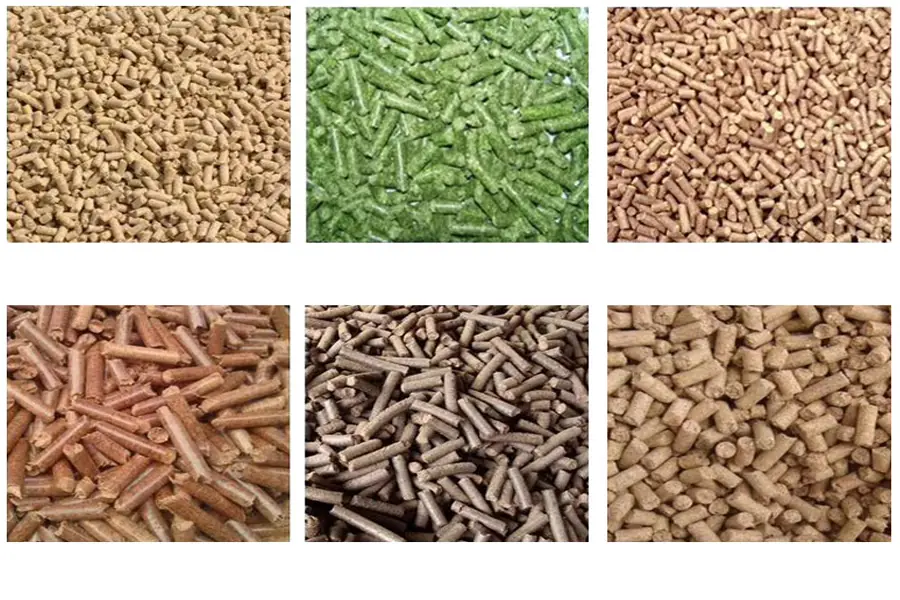
Sizing, cost, power, material and troubleshooting guides for pellet machines — the questions buyers ask before they order.
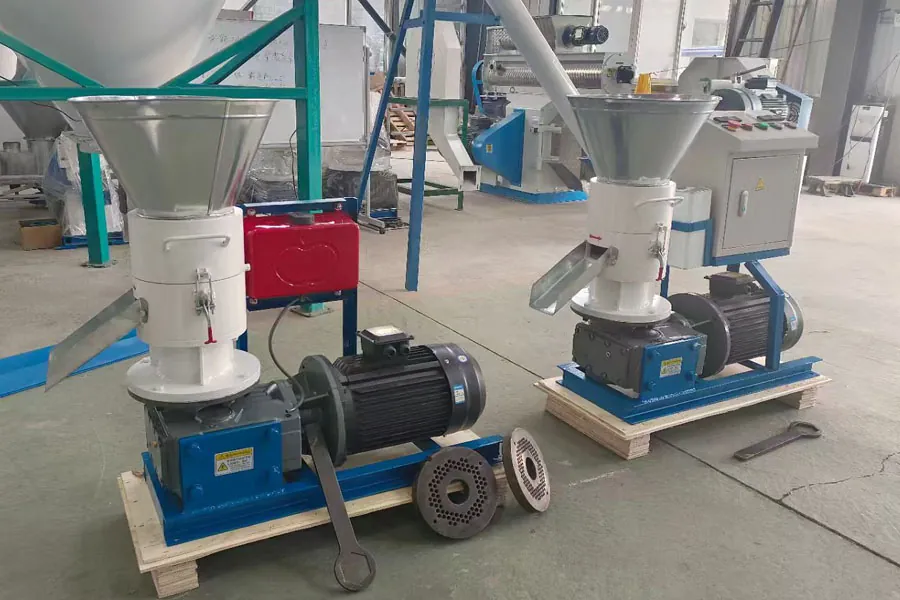
Pellet Mill Buying Guide: Material, Die Type, Drive

A pellet mill is chosen in one order: material, die type, drive, size. Twelve material families against flat die, vertical ring die and horizontal ring die, the output where each drive runs out, and the six things that move the price.
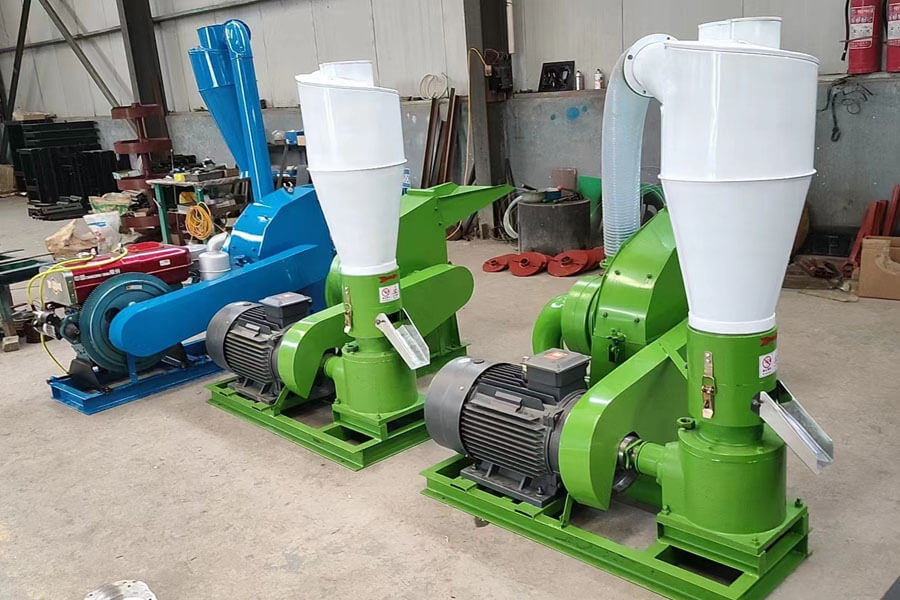
Pellet Mill Buying Guide: Material, Die Type, Drive

Diesel, Electric or PTO: Choosing the Drive

A tonne of pellets takes 89 kWh on the grid, 20 litres through an engine on the frame and 27 through a genset feeding the same motor. The four routes to the same 24 kW at the die, what each costs a tonne, and the seven site conditions that decide which drive to order.

Diesel, Electric or PTO: Choosing the Drive

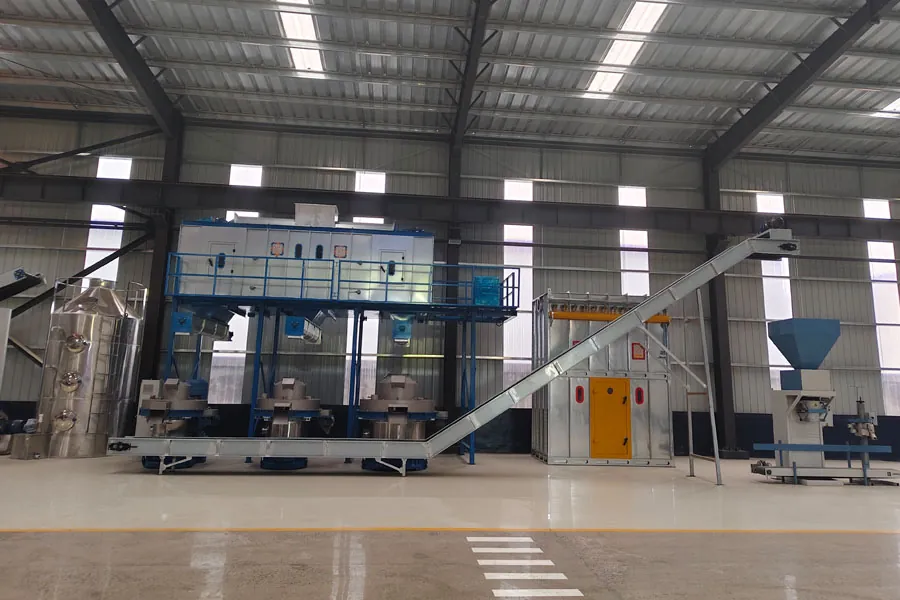
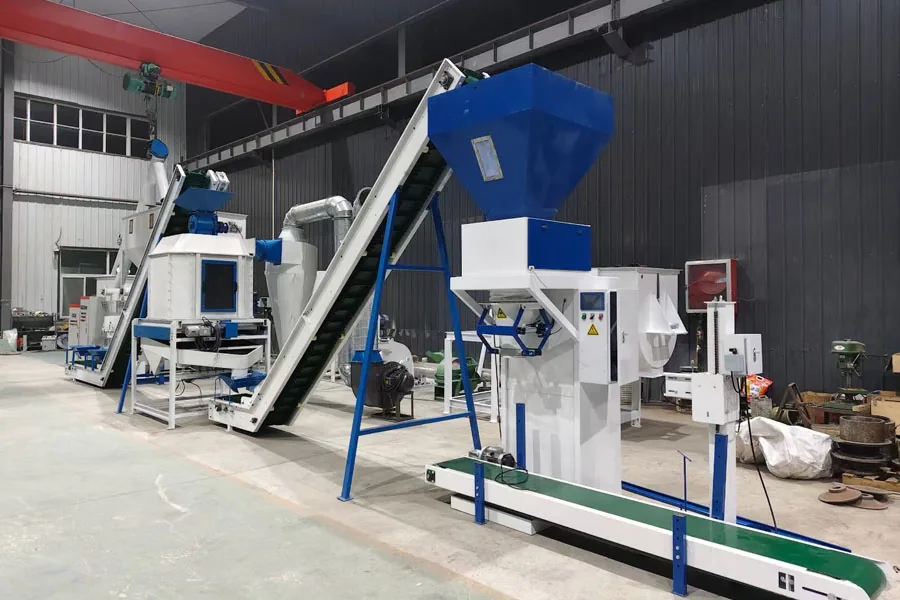
Pellet Plant Layout: Six Stages in Your Shed

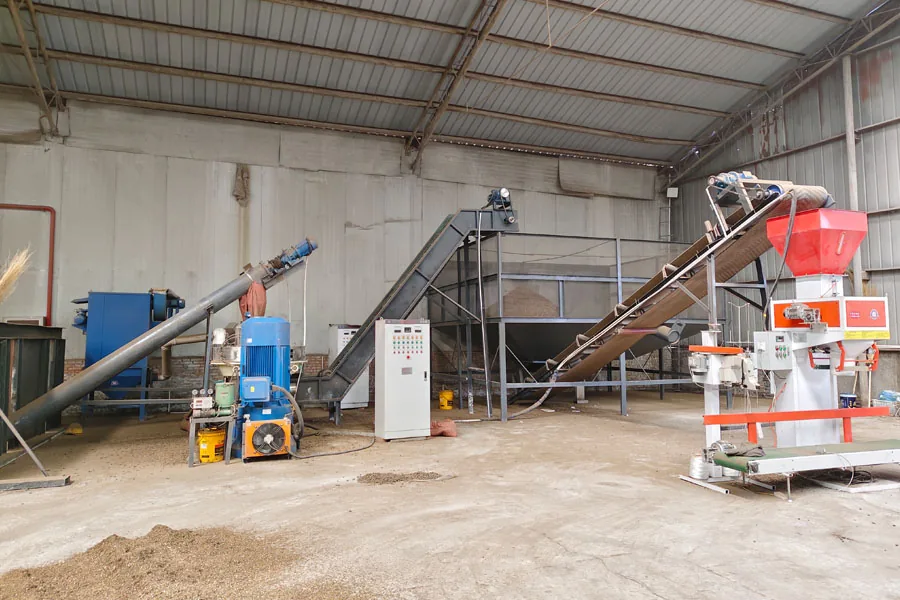
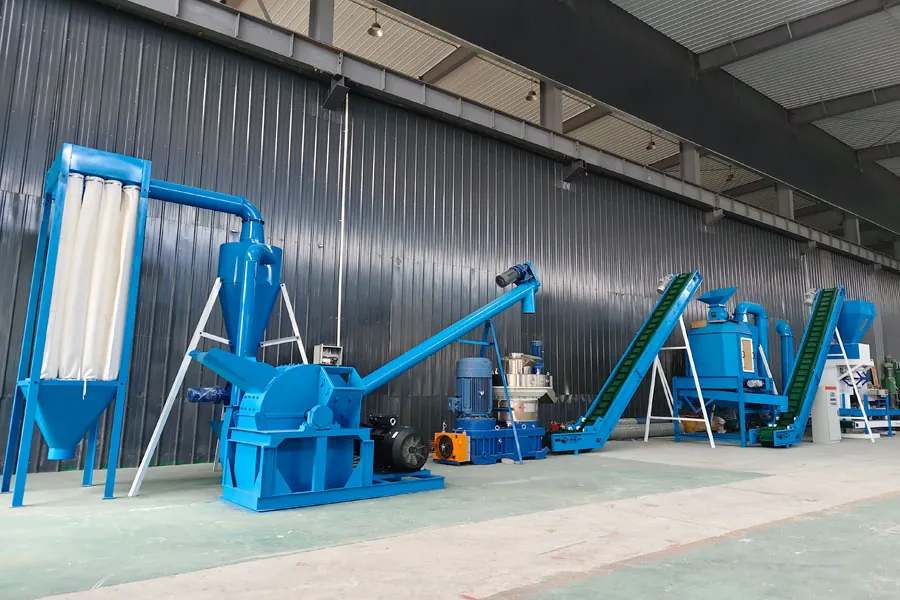
A wood pellet production line is a run of 18 m at 500 kg/h and 45 m at 5,000 kg/h, and the room has to be long enough before it is big enough. Six stages, the rectangle each capacity wants, the clearances a die change needs, and the store that is in none of those figures.

Pellet Plant Layout: Six Stages in Your Shed

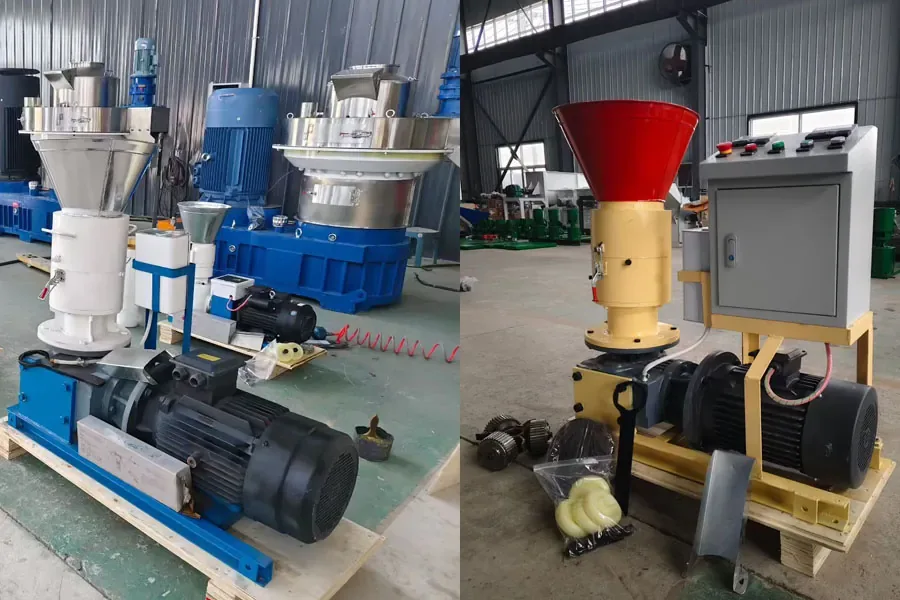
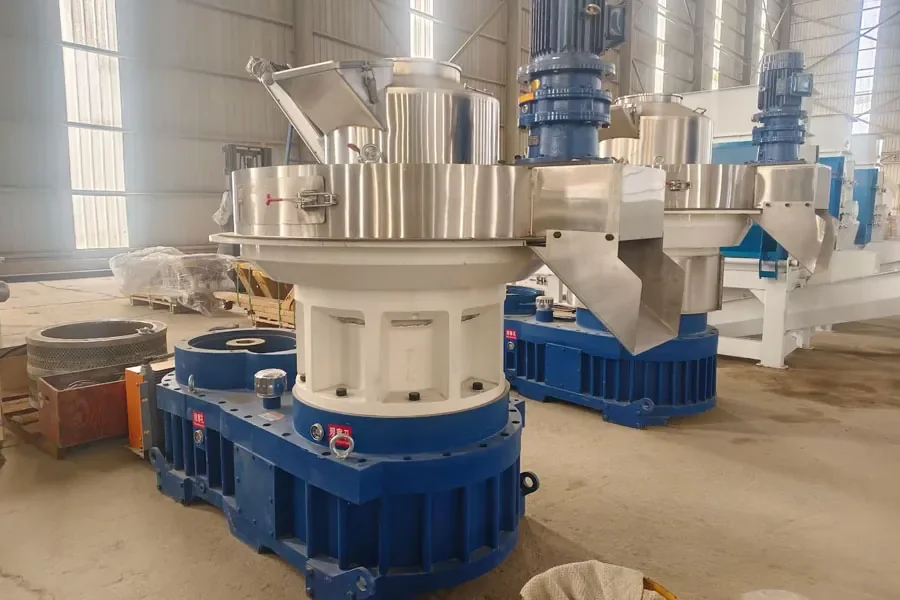
Flat Die vs Vertical Ring Die Pellet Mill: The Decision Table

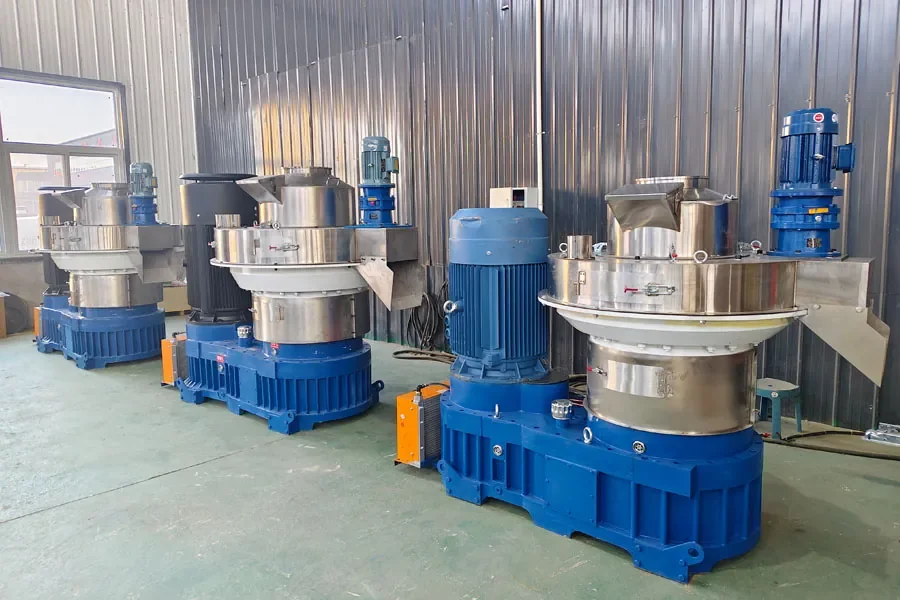
A flat die pellet mill tops out at 800 kg/h and a vertical ring die pellet mill starts at 1 t/h. Eight dimensions compared — output, power per tonne, die cost, die change time, footprint, feed, materials and maintenance — plus what to buy at 80 kg/h, 1 t/h and 5 t/h.

Flat Die vs Vertical Ring Die Pellet Mill: The Decision Table

Pellet Die Compression Ratio Chart, Material by Material

A compression ratio of 1:6 on a 6 mm hole is 36 mm of working length. The ratio we cut for thirteen material groups, a ratio-to-millimetre chart from 1:4 to 1:14, and four steps for measuring the ratio on a die plate you already own.

Pellet Die Compression Ratio Chart, Material by Material

What a Pellet Mill Quotation Includes

A quotation prices a pellet mill, not a working site. Six lines usually sit outside it — spare parts, installation, trial material, freight, dies, and the electrical and steelwork — worth 15–25 % on a 100,000 build, and every one of them is cheaper to settle before the order than after it.

What a Pellet Mill Quotation Includes

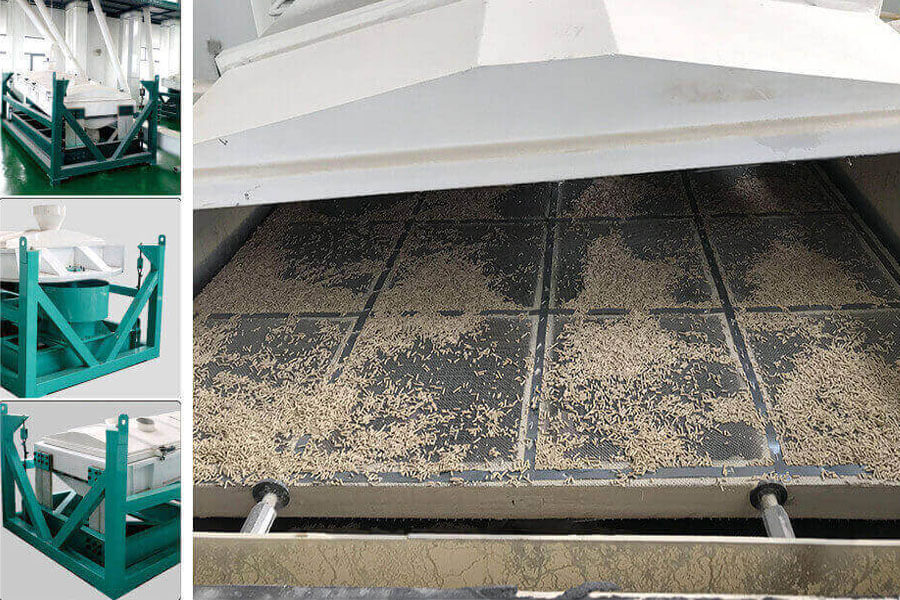
Pellet Cooling and Screening: 90 °C Down to Room

Pellets leave the die at 70–90 °C and have to reach room +3–5 °C before the bag. Air volume by pellet diameter, the 6–10 minutes of retention, the combined pellet cooler and screener against the counterflow pellet cooler, and what the screen is for.

Pellet Cooling and Screening: 90 °C Down to Room

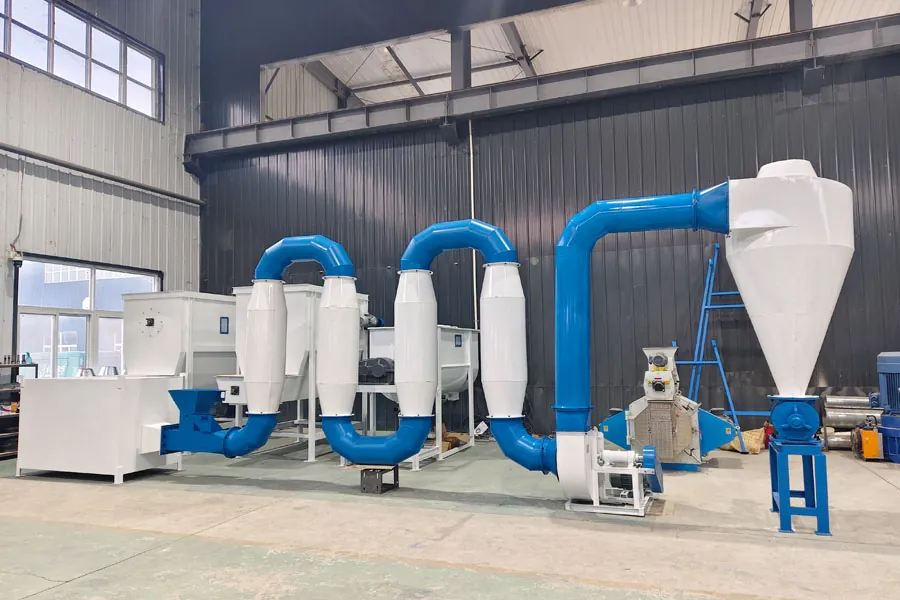
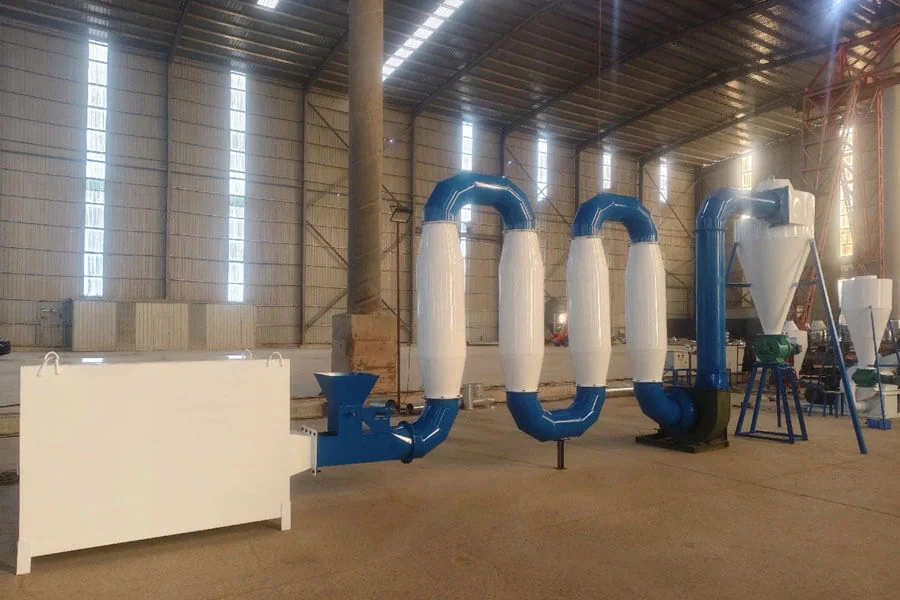
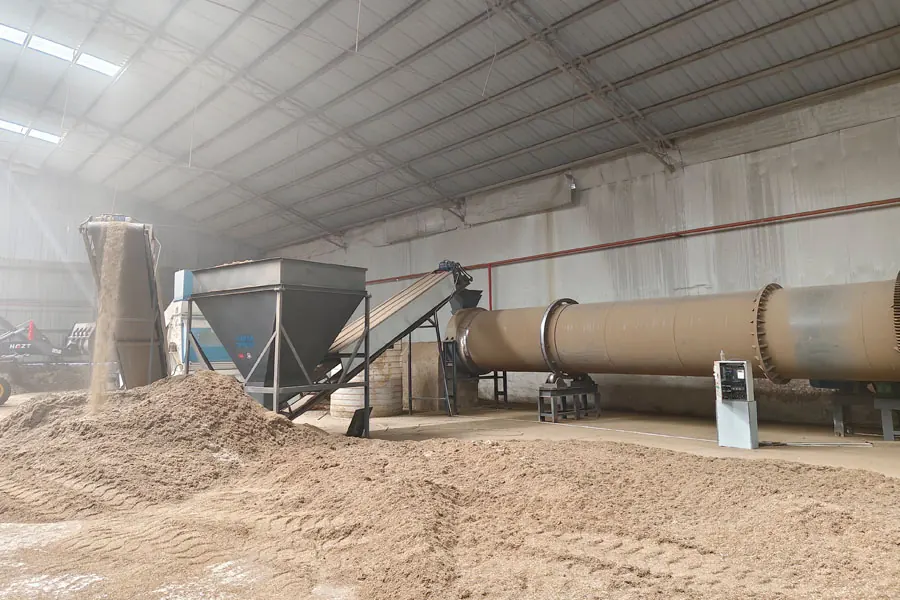
Sawdust Dryer Selection: Flash Pipe or Rotary Drum

A sawdust dryer is chosen by two filters: the form the material arrives in, which rules out one of the two families, and the kilograms of water an hour, which picks the model. Twelve material forms and eight models from 200 kg/h to 2.5 t/h.

Sawdust Dryer Selection: Flash Pipe or Rotary Drum

Changing a Die Plate and Roller Shells

The die and roller change on both builds, step by step: what comes off in what order, the seat that has to be scraped rather than wiped, the bolt pattern, the 0.1–0.3 mm gap, and the first hour at reduced feed that decides whether the new part gives 800 hours or 300.

Changing a Die Plate and Roller Shells

How Long Does a Pellet Die Last? 500–800 Hours

A die ring lasts 500–800 hours on clean wood and 200–300 on rice husk, and the ash is what takes the hours. The four checks that decide where in that range you land, the signals that say the die is going, and what a die and its two roller sets cost per tonne.

How Long Does a Pellet Die Last? 500–800 Hours

ENplus A1 and ISO 17225-2: What Your Pellet Must Pass

ENplus A1 is ISO 17225-2 class A1 with an audit bolted on. Seven figures decide the class, and two of them — ash at 0.7 % and durability at 97.5 % — are where almost every mill fails. Neither is decided by the pellet mill, and one of them cannot be fixed after the feedstock is bought.

ENplus A1 and ISO 17225-2: What Your Pellet Must Pass

Dust, Sparks and Silo Fires: Safety on a Pellet Plant

Wood dust explodes at 30–40 g/m³ — a 1 mm layer across a 200 m² shed, disturbed, is 25 g/m³. The five elements a dust explosion needs, the eight places a spark starts on a wood pellet line, the silo alarms that come days early, and what the protection costs.

Dust, Sparks and Silo Fires: Safety on a Pellet Plant

Power Supply for a Pellet Mill: kVA and Starting Current

A 500 kg/h wood pellet production line draws 99 kW and needs a 160 A supply; at 5,000 kg/h it is 775 kW and 1,250 A. But the supply is sized on the starting current of the largest single motor, and one 90 kW motor needs a quarter more connection than two 45 kW ones for the same output.

Power Supply for a Pellet Mill: kVA and Starting Current

How Many Pellet Mills Do You Need?

At 1 t/h there are two ways to get there and they draw the same 90 kW: two 45 kW flat die pellet mills, or one 90 kW vertical ring die. What separates them is what happens when a die has to come out — and how much floor you have.

How Many Pellet Mills Do You Need?

Do Pellets Need a Binder?

Most pellets need no binder: lignin is the binder, and wood carries 25–30 % of it. What to add when there is not enough — six binders, the two materials out of 24 that need one, what 2 % means in kilograms an hour, and what it costs a tonne.

Do Pellets Need a Binder?

What Moisture Content for Wood Pellets

Wood pellets want 12–15 % moisture at the die, and most material arrives at twice that. The wet-to-dry ratio, the water and the fuel per tonne, how a dryer is really sized, and the three routes to the window in order of what they cost.

What Moisture Content for Wood Pellets

How Long a Pellet Mill Takes to Pay Back

Payback is capital divided by the margin a year, and the margin is the figure sellers would rather you did not work out. The formula, how many t of margin each 100,000 of capital needs, why 4,000 hours beats a cheaper pellet mill, and a calculator for your own numbers.

How Long a Pellet Mill Takes to Pay Back

What It Costs to Make a Tonne of Wood Pellets

The pellet mill is not the expensive part. Six cost lines with the formula for each, 155–198 kWh per tonne measured across four of our own builds, how many tonnes one die plate or ring die makes, and a calculator that takes your own electricity tariff.

What It Costs to Make a Tonne of Wood Pellets

Pellet Mill Sizing: kg/h per kW, by Material

A 45 kW flat die pellet mill is rated 450–600 kg/h on sawdust and about 270–360 kg/h on rice husk. Nine models with their kg/h per kW, six material bands from 100 % to 60 %, and a calculator that turns your output capacity into motor power.

Pellet Mill Sizing: kg/h per kW, by Material

Cracked, Soft or Crumbly Pellets: 12 Causes

A crumbly pellet is almost always moisture, die compression ratio or grind, in that order. Twelve defects with the cause and the fix, a stage-by-stage map of where each one lives on the production line, and the four checks to run before you buy anything.

Cracked, Soft or Crumbly Pellets: 12 Causes

Can I Pellet It? 24 Biomass Feedstocks Checked

Twenty of 24 biomass feedstocks pellet with no binder. A table of moisture, ash, lignin, die compression ratio and output for sawdust, straw, husk, shell, EFB, bagasse and manure — and the three groups that decide whether you need a dryer, a different die, or both.

Can I Pellet It? 24 Biomass Feedstocks Checked
Go to Top